Maryland Farmland Raptor Program Resources
The Maryland Farmland Raptor Program installs nest boxes for American Kestrels and American Barn Owls across the state. Below you’ll find resources on nest box construction, siting, and installation, along with other program materials.
Constructing a Nest Box
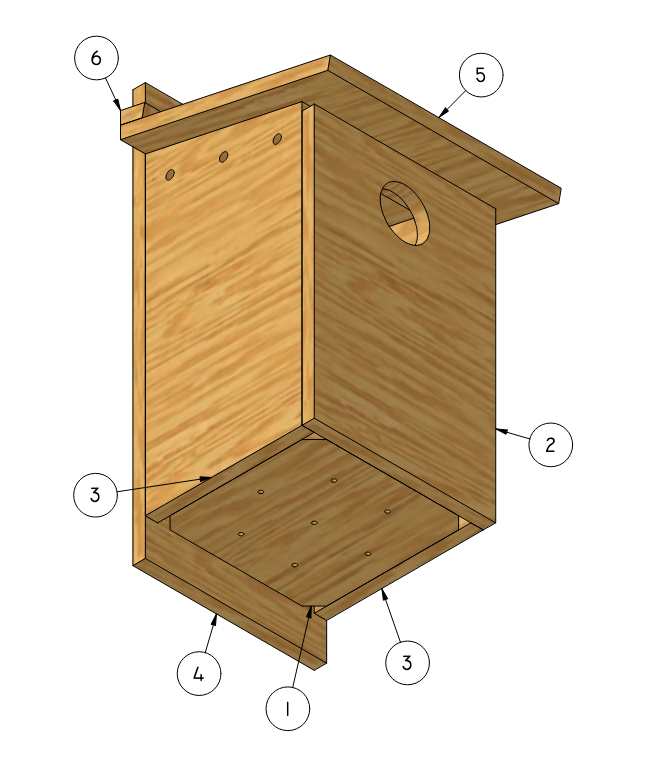
Technical rendering of a kestrel nest box
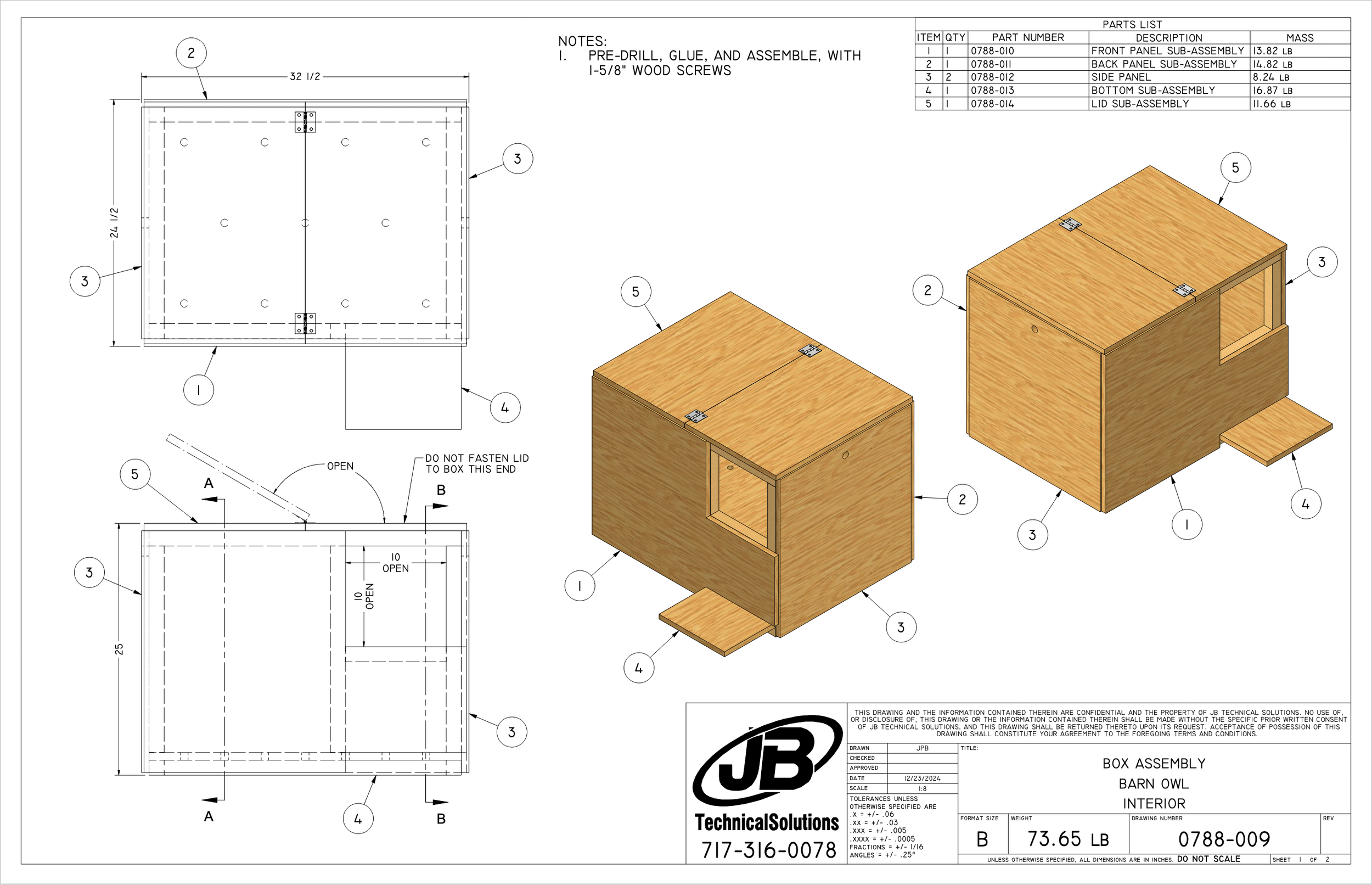
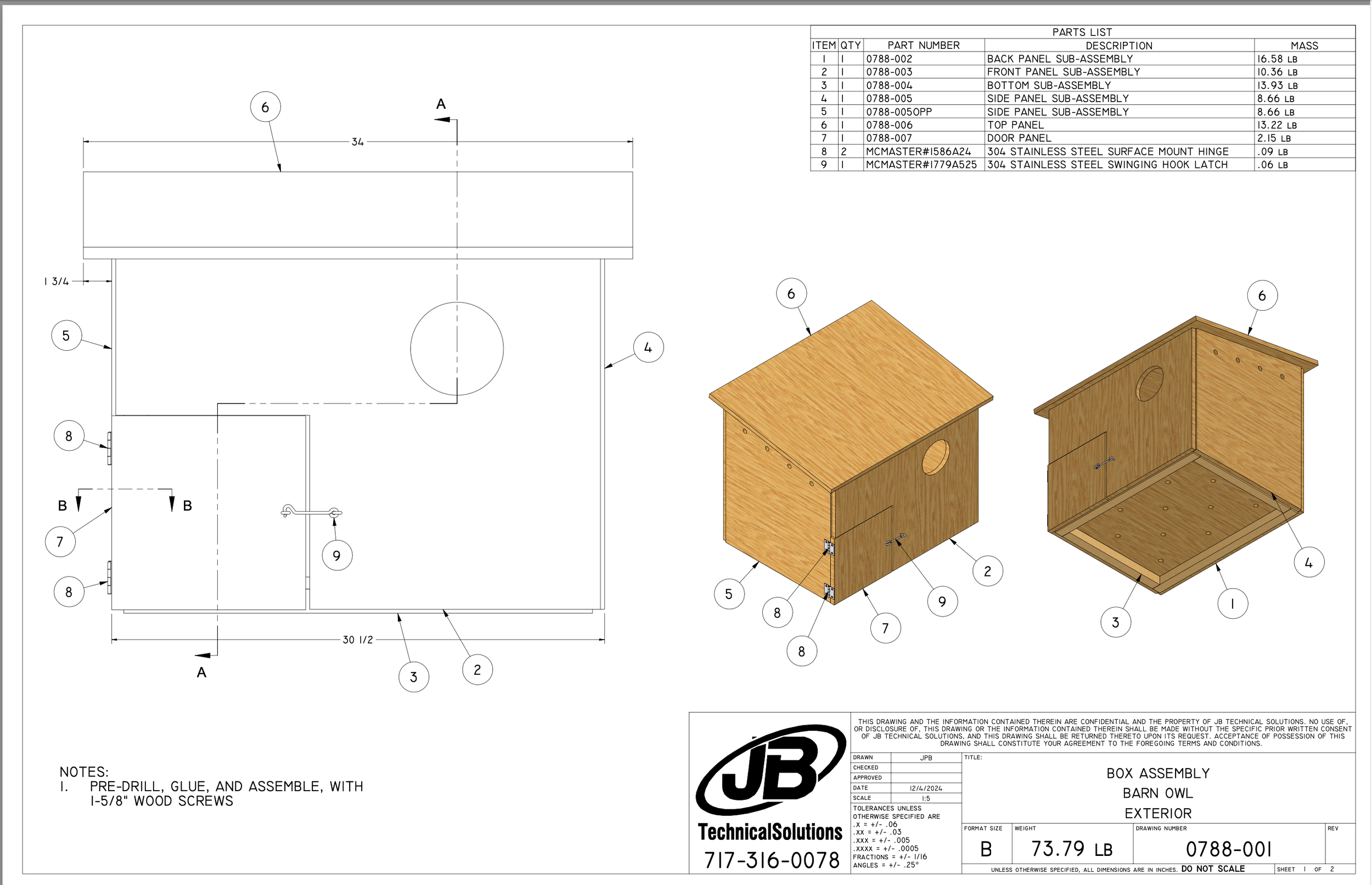
The Maryland Farmland Raptor Program uses and recommends the following nest box designs for American Kestrels and American Barn Owls.
Barn owl boxes are designed for either interior installations (e.g., inside barns or silos) or exterior installations (e.g., mounted on buildings or poles in open fields), which require different box designs.
Read more about building farmland raptor nest boxes in Featured News.
Nest Box Plans:
Box Assembly Videos:
Andy Brown and Alex Pellegrini demonstrate box assembly in the videos below.
Installing Nest Boxes
American Kestrel
Kestrel boxes are typically installed on poles or extended fence posts in open fields with good visibility. Boxes should be mounted at least 12 feet high. Extending existing fence posts, for example with a 2-by-4, is a common and effective approach.
American Barn Owl
Barn owl boxes should be placed in low-disturbance sites with minimal human activity, where birds have consistent, quiet access to the box. Recommended height is 10–15 ft, allowing safe access for monitoring. While higher placements can be advantageous in some settings, such as silos, ease of access for regular monitoring should be a key consideration when determining final height.
Typical barn owl nest box sites include:
Exterior-mounted on barns
Inside barns, with owls entering the barn through an existing opening
Inside barns, with the box aligned to a cut opening in the exterior wall (direct outside entry)
Open sheds
Installed high inside unused silos
Pole-mounted in open fields
Mounted in marsh settings
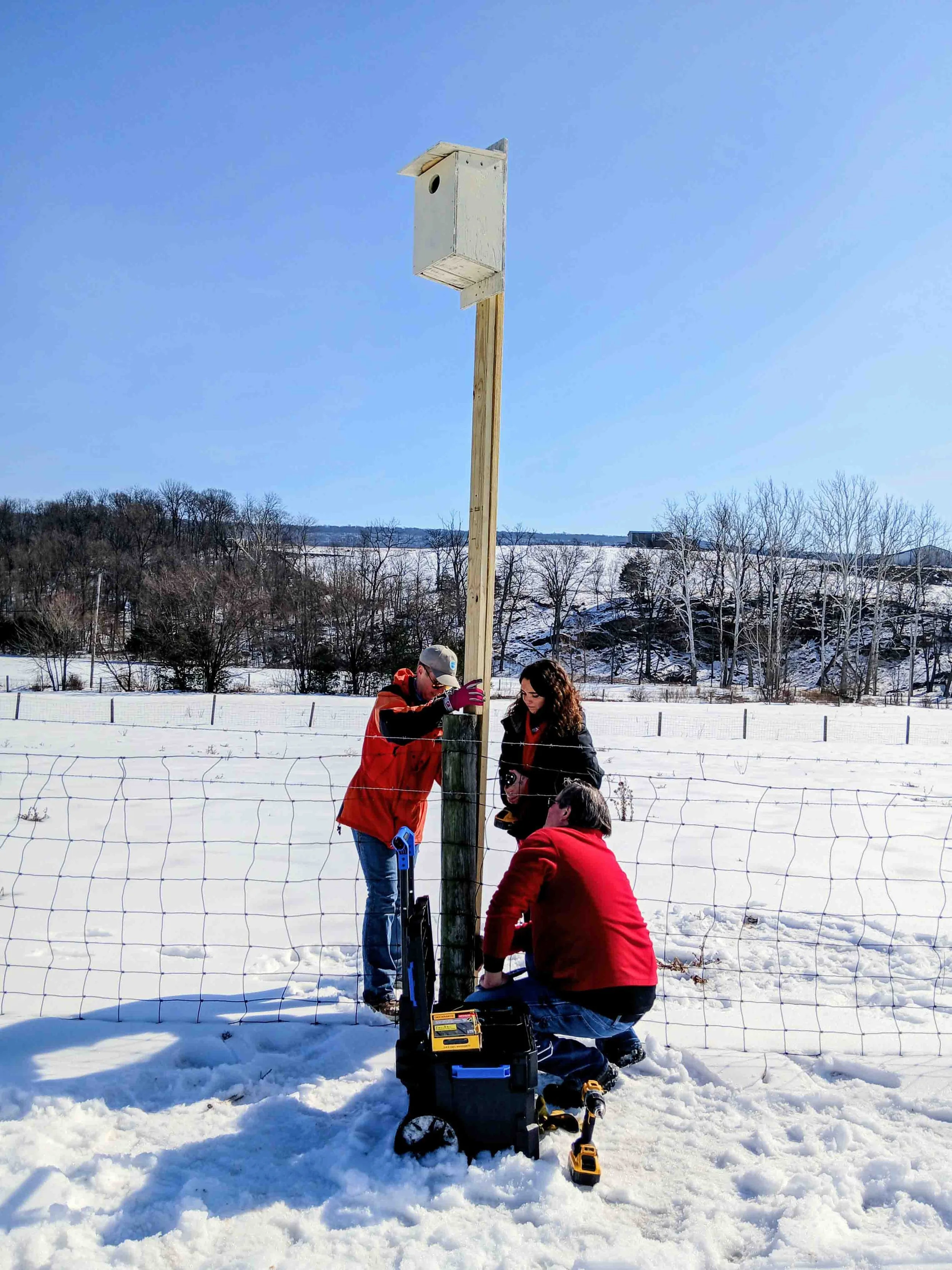
Installation of a kestrel nest box on a fence post extension
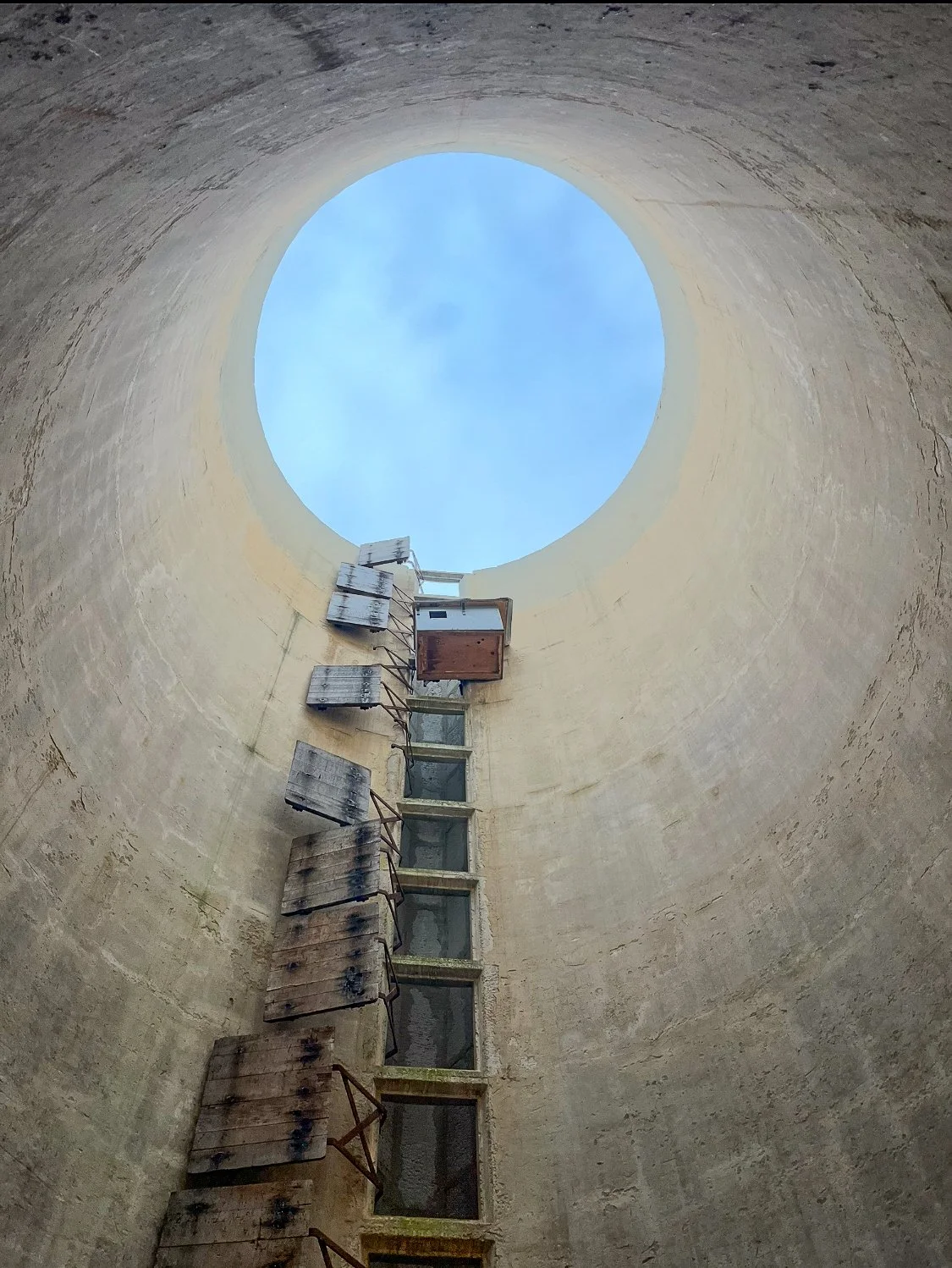
Installation of barn owl nest box in used silo. Photo by Tom Versichelli.
Barn Owl Box Installation Videos:
Additional installation videos will be added as they become available.
Predator Guards
A predator guard is installed whenever possible because predator guards significantly increase nesting success. Aluminum flashing material can be easily wrapped around and stapled to the poles. A pole baffle is another option.
Siting Nest Boxes
The Farmland Raptor Program follows a standard protocol for evaluating a site to determine whether we will install a nest box there. All nest boxes are monitored and data are collected.
Stewardship
The first question is whether the landowner or partner is committed to host the box and allow monitoring by trained volunteers. Long-term nest box projects require annual cleaning and monitoring to remain effective. Alternatively, is the landowner or partner willing to monitor the nest box themselves and share data with the program via NestWatch? If the answer is yes, then the program moves forward with evaluation of habitat and other physical site characteristics.
Habitat Suitability
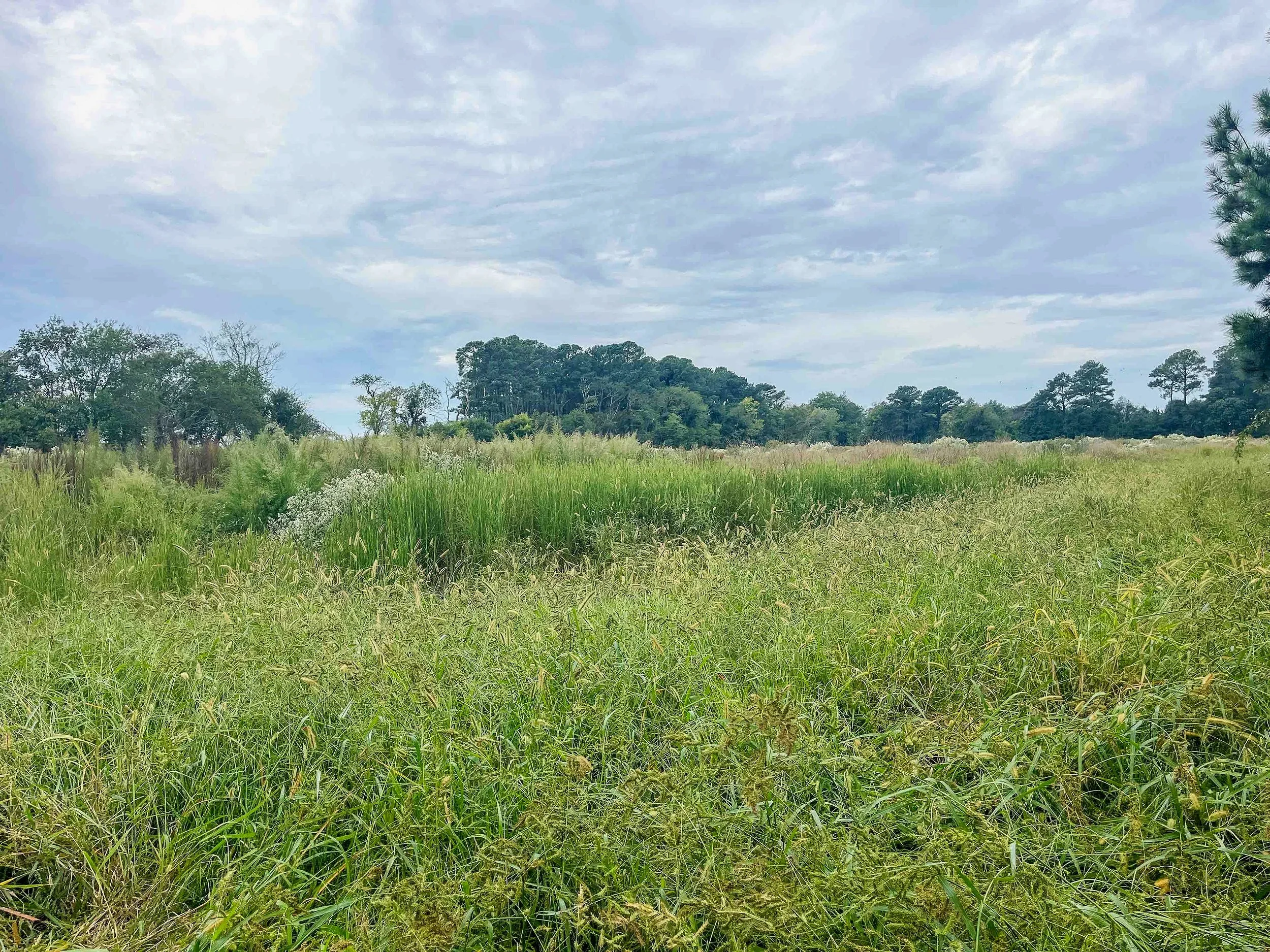
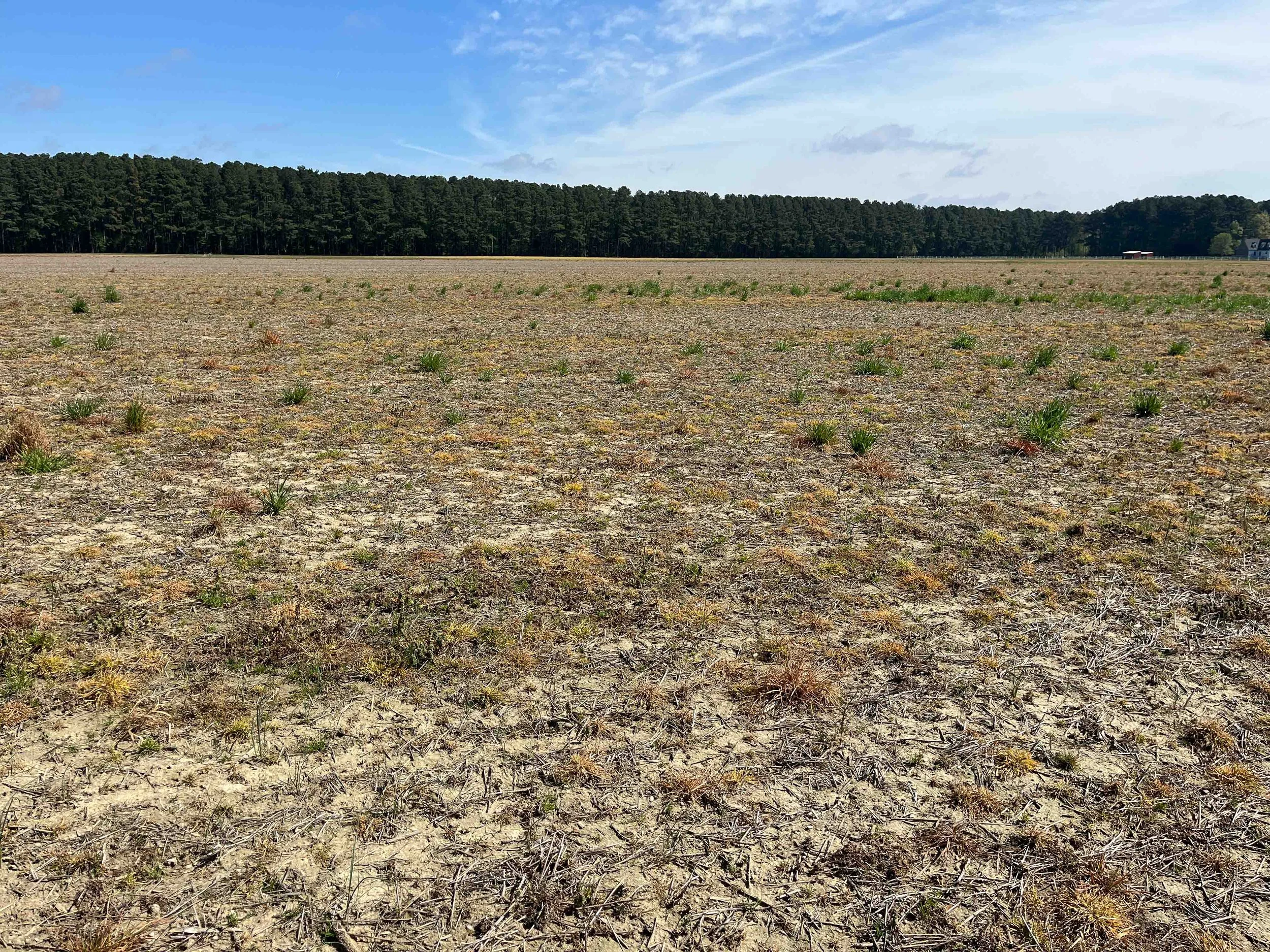
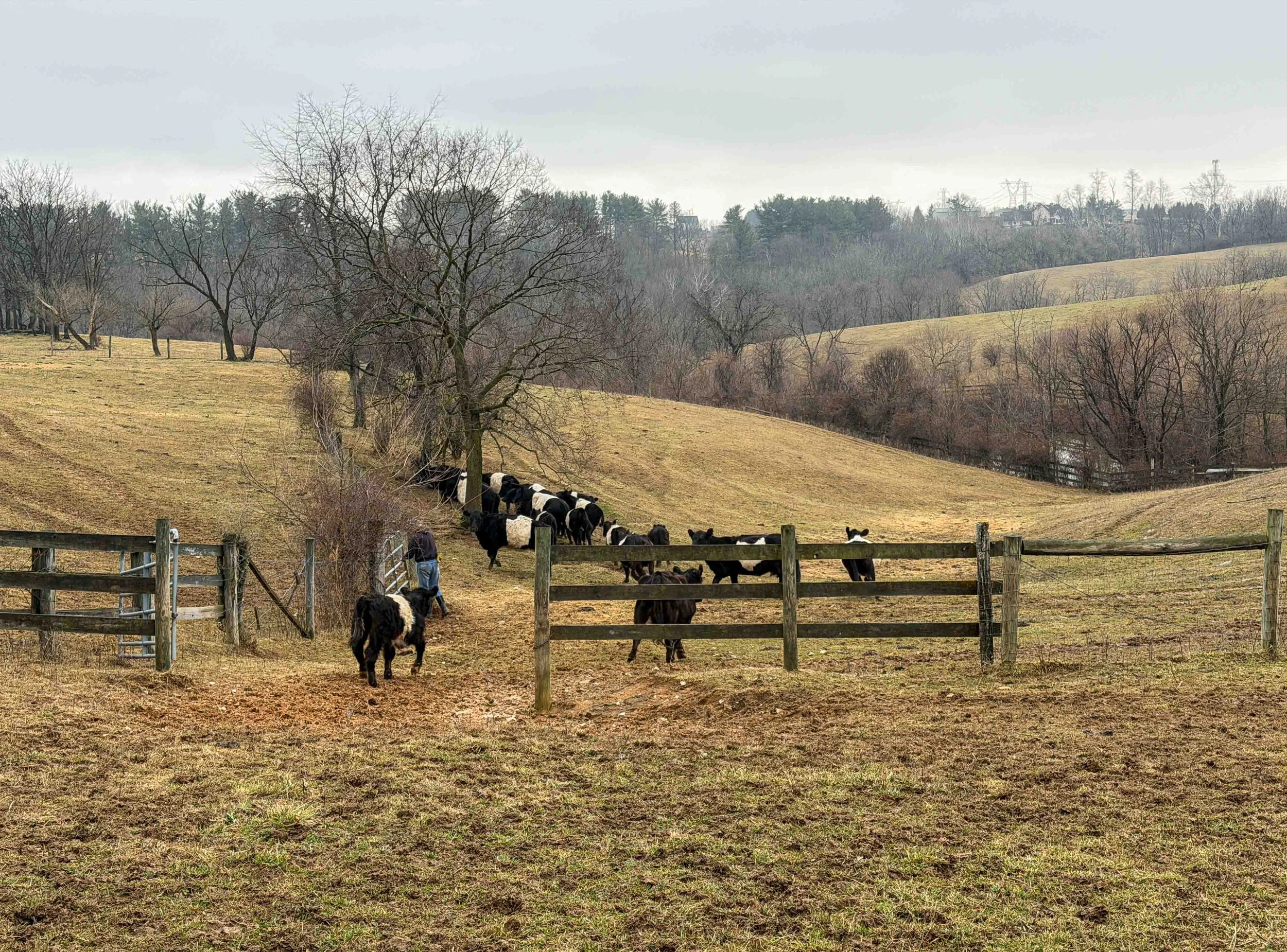
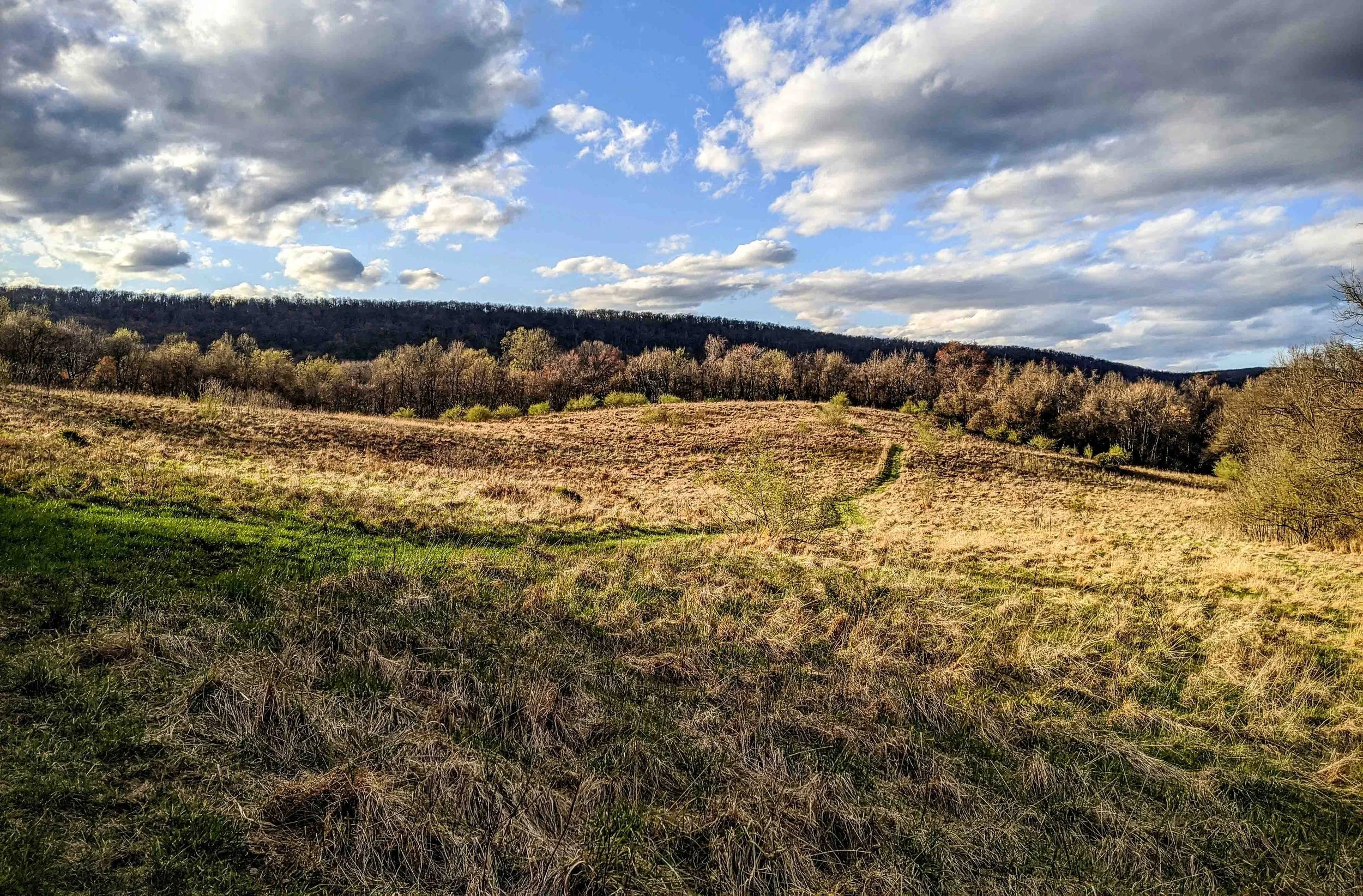
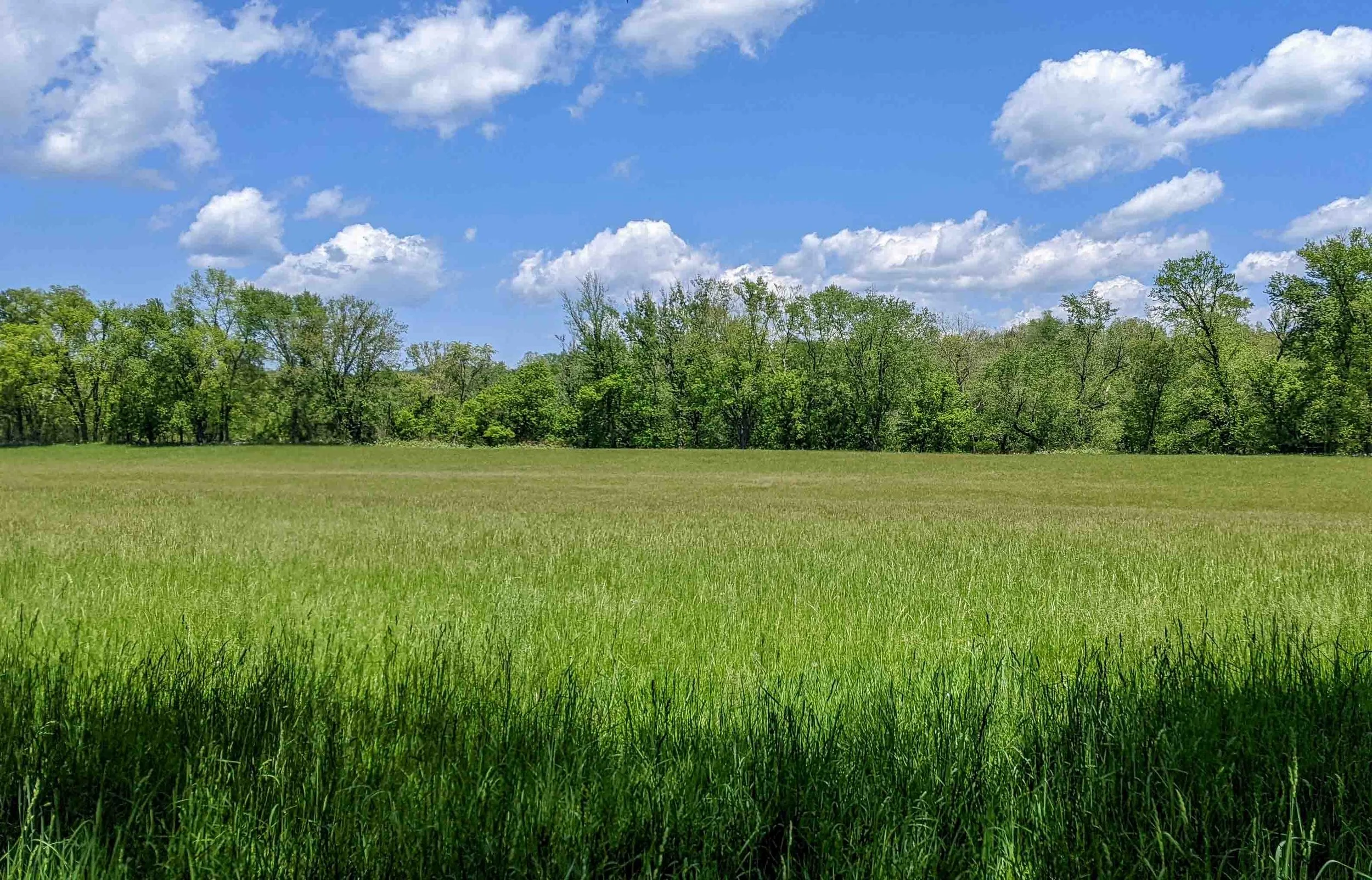
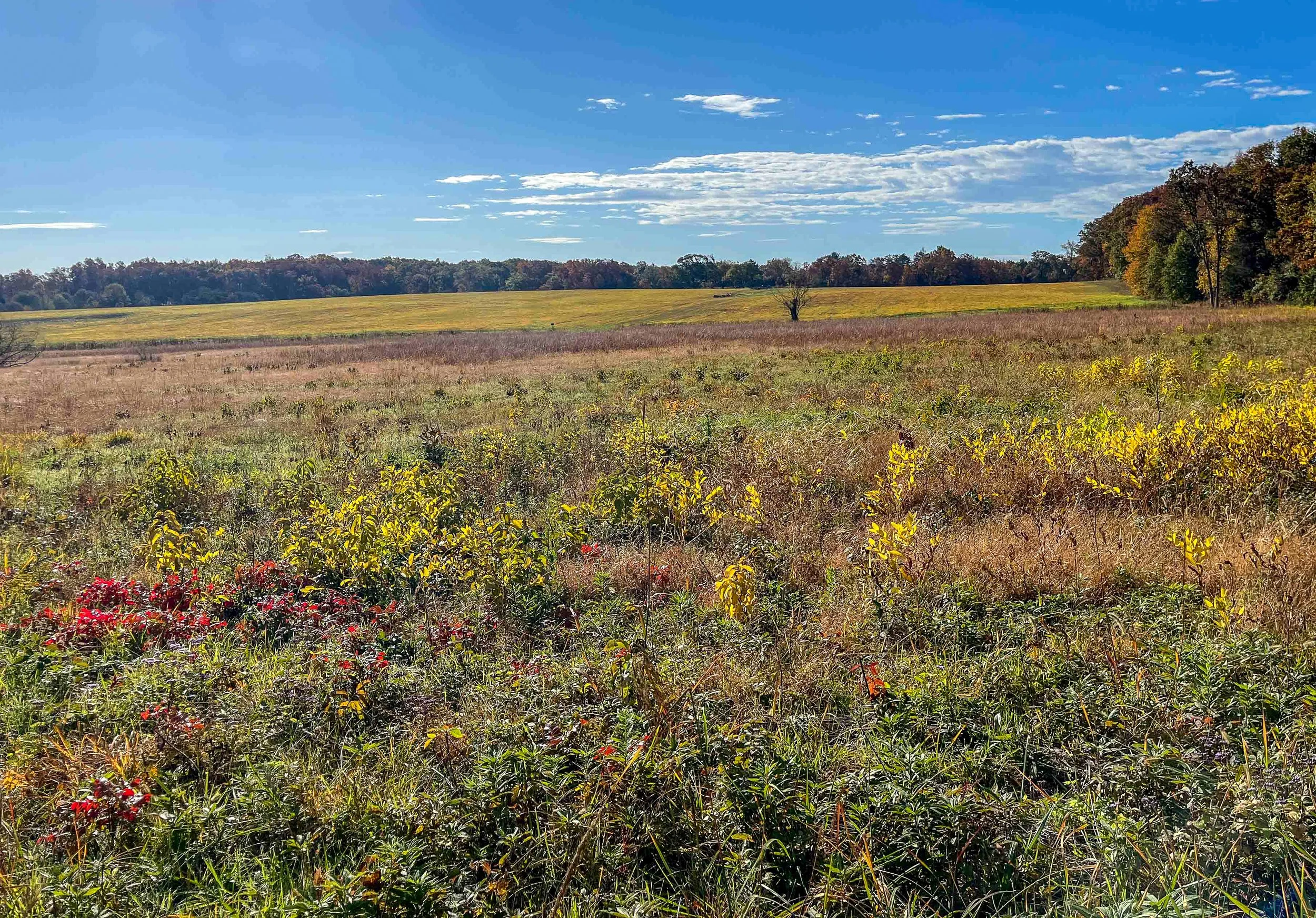
American Kestrels. Kestrels favor open habitats such as fallow fields, pasture, hayfields, cropland, orchards, and mixed farmland, particularly working livestock operations (e.g., horse, cattle, and sheep farms) that maintain short vegetation, open sightlines, and abundant hunting perches. Occupancy is highest in diverse agricultural landscapes with minimal tree cover, scattered perches (fence posts, utility lines, barns), and boxes mounted on sturdy poles or buildings adjacent to open fields. Boxes placed near field edges or within mosaics of pasture and cropland tend to perform best.
American Barn Owls. Barn owls prefer open farmland such as fallow fields, pasture, hayfields, grasslands, and marsh edges, particularly landscapes with a mix of open cover types that support abundant small mammal prey. Occupancy is highest in diverse agricultural landscapes where nest boxes are mounted on tall structures adjacent to open foraging areas.
Chemical Use
Are rodenticides or heavy pesticides used on the property or adjacent lands? If so, the program will not install a nest box. Research on barn owls shows that secondary poisoning from rodenticides is widespread; residues have been detected in 94–100% of tested barn owls in the United Kingdom. In addition, pesticide-intensive farmland reduces prey availability.
Disturbance and Hazards
Farm machinery, livestock activity, or regular human presence can cause disturbance and hazards to farmland raptors. If disturbance or road risk is too high, the program will not install.
American Kestrel. Kestrels are generally tolerant of moderate human activity and frequently nest in working agricultural landscapes, near roads, and around farm buildings when prey availability and hunting perches are sufficient. Roadside environments and active farms can be productive nesting areas, particularly where fence lines, utility wires, and other elevated perches are present.
American Barn Owl. Barn owls prefer low-traffic or secluded areas such as silos and barns. Sites away from major highways or fast roads are essential. Barn owls suffer high mortality near busy roads; occupancy and breeding success decline within ~1 km of highways.
Mounting Location
Nest boxes are installed facing an open area to provide clear flight paths, good visibility for hunting and predator awareness, and an unobstructed approach to the entrance.
If a safe, stable mounting point is available and the other criteria are met, the program will install a nest box. Ease of access for regular monitoring should be a key consideration when determining final height.
For more information or to request consideration of your property for participation in the program, contact frp_coordinator@marylandbirds.org.