What You Can Do to Help Maryland’s Birds
7 Simple Actions to Help Birds

The 7 Simple Actions to Help Birds: Do Community Science, Make Windows Save, Keep Cats Indoors, Use Native Plants, Avoid Pesticides, Drink Shade-Grown Coffee, and Reduce Plastic Use.
Plant Native Plants
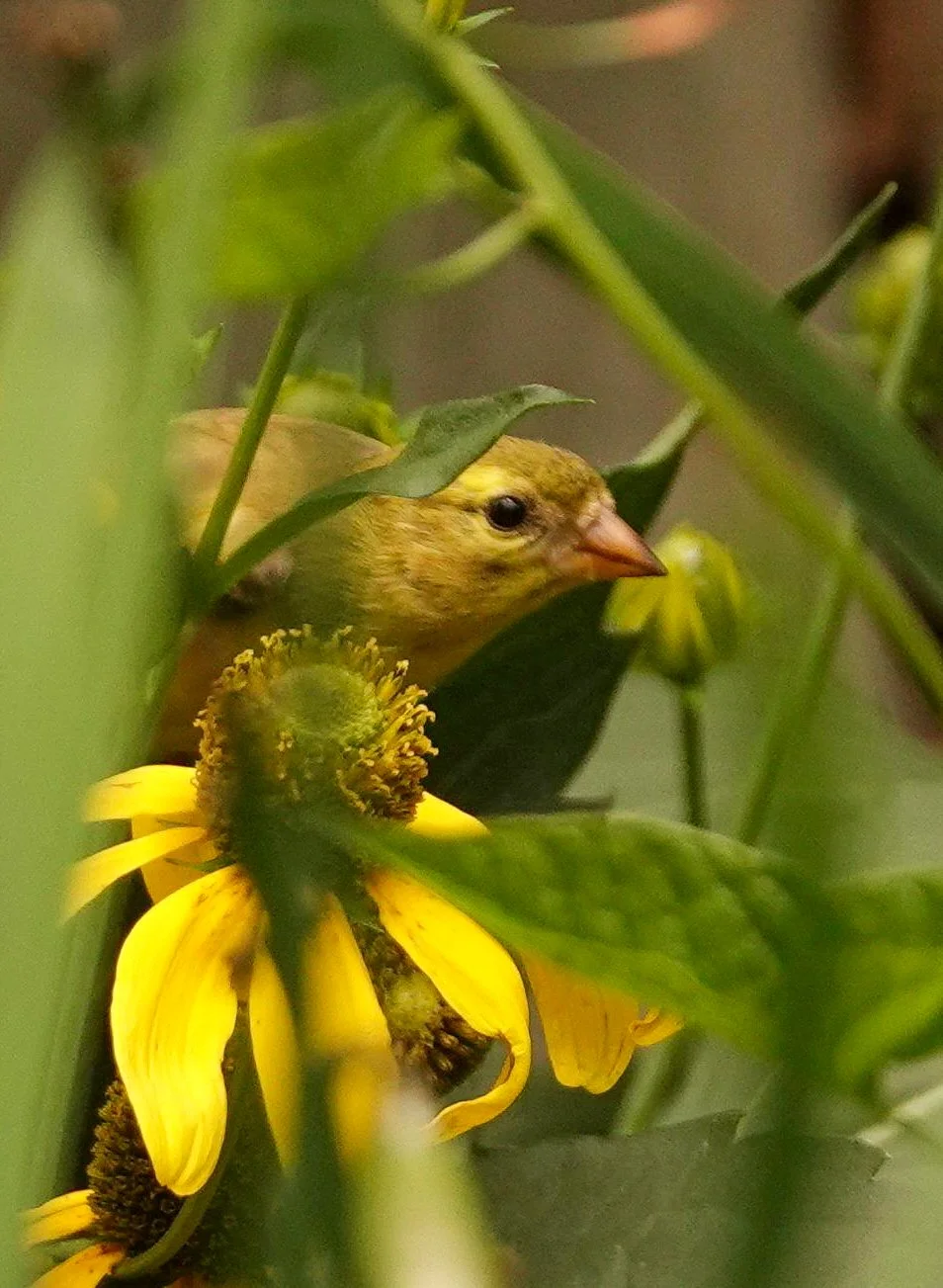
American Goldfinch with cutleaf coneflower by Karen Cyr
Modern day nurseries sell more exotic plants than natives. Unfortunately many of these exotics escape our backyards through dispersed seeds. As climate, fragmentation, and pests increasingly threaten forest health, it is critical reduce the impact invasive plants on our land. More and more home gardeners are replacing non-native plants with natives.
Planting natives is easy, and can help provide food and habitat for a larger number of birds. For more information about how to get started, read “Creating a Bird Friendly Yard”; go to MBCP’s “Garden Stories” playlist on YouTube to learn how others are growing their native gardens; and watch our webinar below, “Invite Maryland’s Backyard Birds to the Front Yard” for more inspiration.
Additional resources
You can find more details about other programs and offerings in Maryland related to creating habitats that support birds at the links below:
Bay-wise Program: have your landscape or garden evaluated for Bay-Wise certification.
Master Gardener: learn about Maryland’s Master Gardener program.
Master Naturalist: learn about Maryland’s Master Naturalist program.
Maryland Biodiversity Project: explore this catalogue of living things in Maryland and see what native plants grow where you live.
Maryland Native Plant Society: learn more about the appreciation and conservation of Maryland’s native plants.
Soil Testing: find out what type of soil you have to help guide your selection of native plants and avoid over- or under-fertilizing your plants.
Ask Extension: submit a question about your garden to get expert advice.

Bird Strike Evidence by Bill Gracey
Reduce Bird-Window Collisions
A study by American Bird Conservancy has shown Wood Thrush to be particularly susceptible to fatal window collisions. If your residence is causing bird strikes, there are many ways you can stop them.
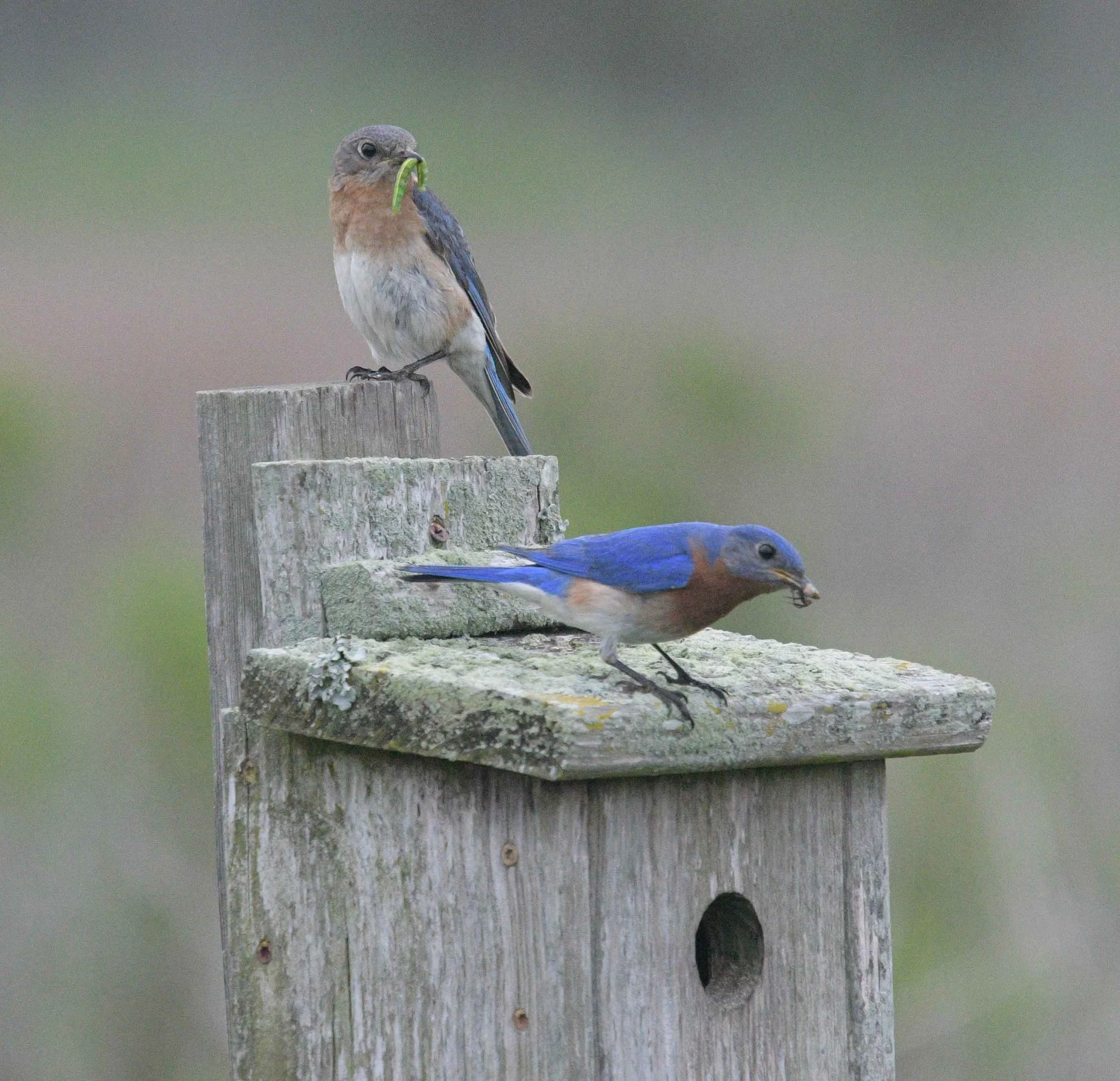
Pair of Eastern Bluebirds with food for their young by Margaret Poethig
Build and Install a Nest Box
We can help cavity-nesting species like Eastern Bluebirds, Wood Ducks, Tree Swallows, and many other birds by providing the right kind of nest box in the right habitat. Do you have open habitat on your property? You may be able to attract Eastern Bluebirds by building and installing MBCP's nest box design. The cavity-nesting American Kestrel and American Barn Owl also require open habitat, and you can learn more about MBCP’s Farmland Raptor Program on our website. If you’re interested in hosting other species, the Cornell Lab’s NestWatch program is a great resource for information about nest boxes and where to place a nest box.
Buy Bird-Friendly Coffee
Wood Thrushes are also threatened in their wintering grounds by the decline of lowland tropical forest in Central America. Fortunately, bird-friendly coffee farms help provides an alternative habitat. The Smithsonian Migratory Bird Center certifies coffee brands as Bird-Friendly, so you can be certain your coffee farm provides bird habitat. Click here to buy Bird Friendly coffee and support MBCP!

Shade-grown coffee in Peru by Marshall Hedin