How You Can Make a Difference and How to Get Started
There are many good reasons to attract birds to your yard, and now is an ideal time to put a plan in place.
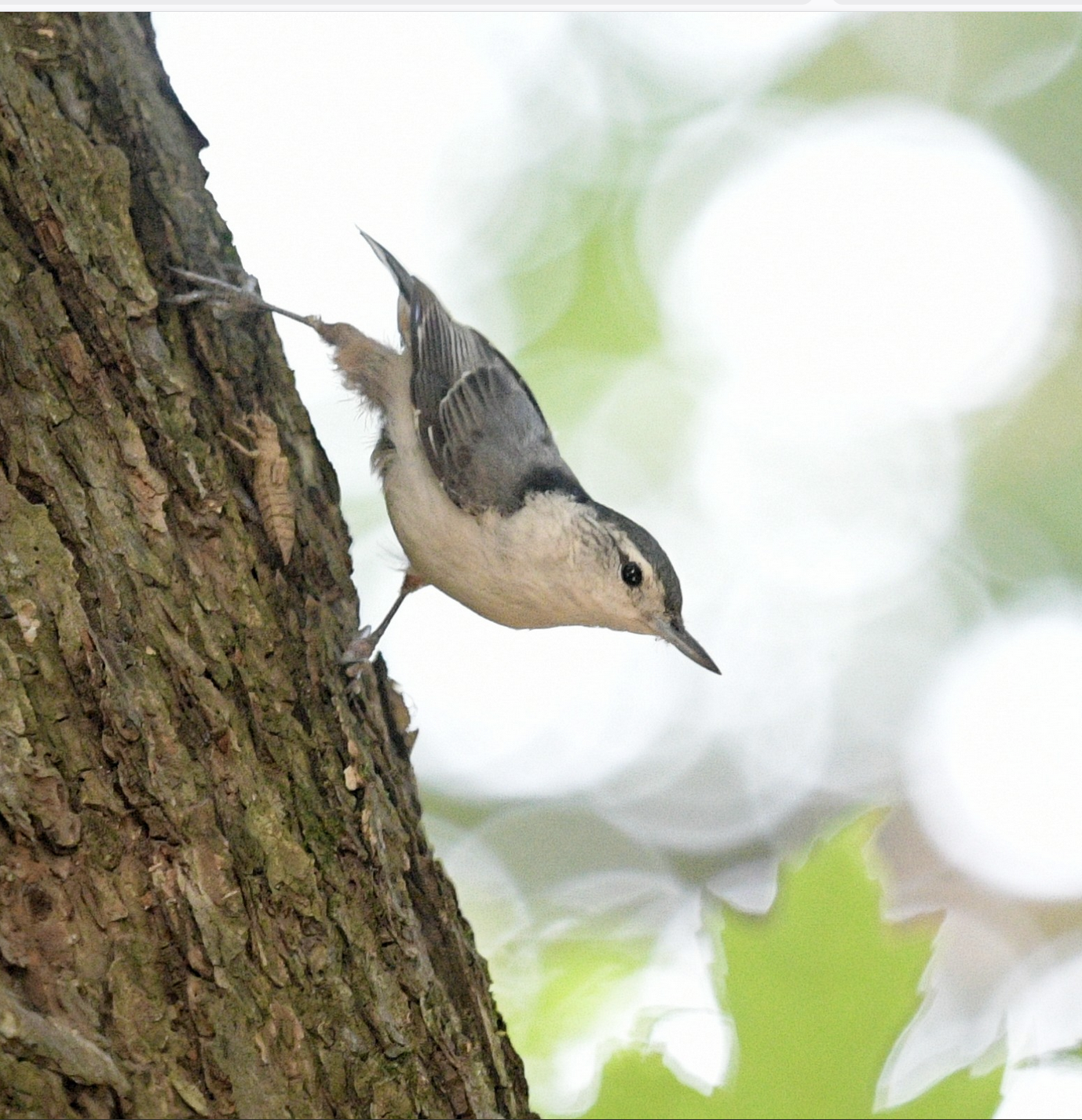
White-breasted Nuthatch foraging on a native tree. Photo by Margaret Poethig
Research published in Science reports that North America has lost nearly 3 billion birds since 1970, representing a 29% decline in the overall bird population. This loss is deeply concerning because birds play an essential role in maintaining healthy ecosystems. They help control insect populations, pollinate plants, disperse seeds, and clean up carrion. In doing so, birds act as chief engineers of our ecosystem, shaping the natural world and creating nesting sites and cavities that benefit other wildlife. Beyond their ecological importance, birds also contribute to human well-being. Studies show that exposure to bird songs and birdwatching can reduce stress and cortisol levels, helping people feel calmer, unplugged and more connected to nature.
Plant Natives for Your Local Ecosystem
As winter gives way to spring, it’s a natural time to think about how your yard can better support birds by working with the environment rather than against it. What you plant can provide vital food and shelter for our feathered friends, but success starts with understanding your geographic region and planting conditions. Maryland is uniquely diverse, mirroring much of the United States in its topography. The state includes the warmer, low-elevation Coastal Plain; the gently rolling Piedmont Plateau; and the cooler, higher elevations of western Maryland’s mountains. Because different plants thrive in different regions, choosing species adapted to your local conditions is key.
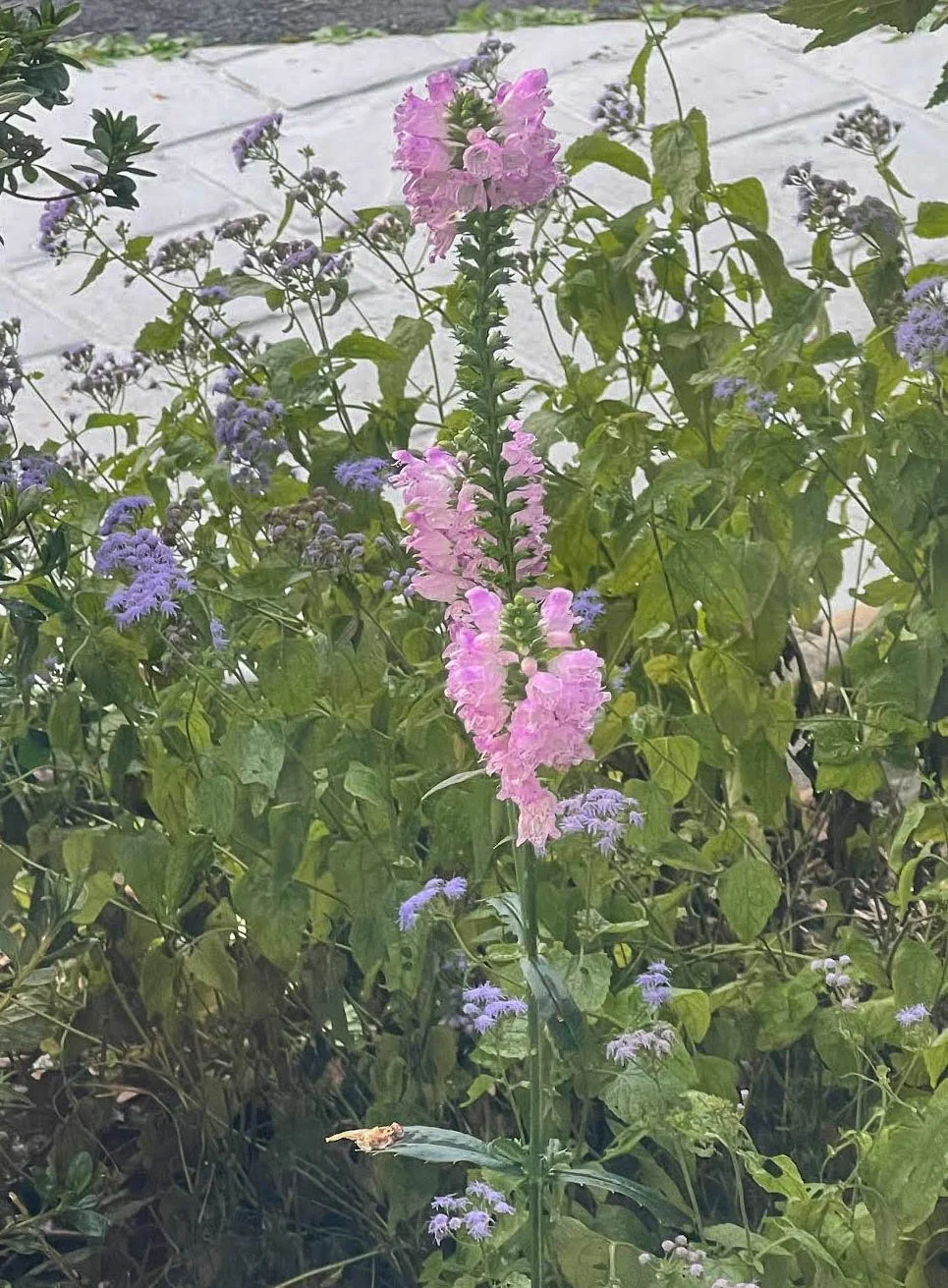
In the author’s garden in Central Maryland’s Montgomery County, pink Obedient Plant (Physostegia virginiana) and Blue Mistflower (Conoclinium coelestinum) love a sunny spot together. Obedient plant attracts long-tongued bees, like bumble bees, and Ruby-throated Hummingbirds.
The author, Christine Morano Magee, is Director of Education for Dumbarton Oak’s Park Conservancy in Washington, DC. She is a Maryland Master Gardener and Master Naturalist, a DC Weed Warrior, and an apprentice with the University of Maryland Extension Service’s Bay-Wise Living Landscapes Program. She and her husband live on four acres in Montgomery County, where she enjoys her vegetable garden and gardening for the birds. “We have been trying to reclaim our yard from turf for a long time, putting in trees and native plants, but we have a long way to go!” Christine is one of MBCP’s new board members.
One of the simplest and most effective ways to attract birds is by planting native plants that naturally support local ecosystems. Native plants provide the insects, seeds, and berries birds have depended on for generations, making them far more beneficial than many ornamental species. A helpful resource for getting started is the U.S. Fish and Wildlife Service’s guide to native plants for Maryland and the Chesapeake Bay Watershed that highlights species well suited for wildlife habitat and conservation landscaping.
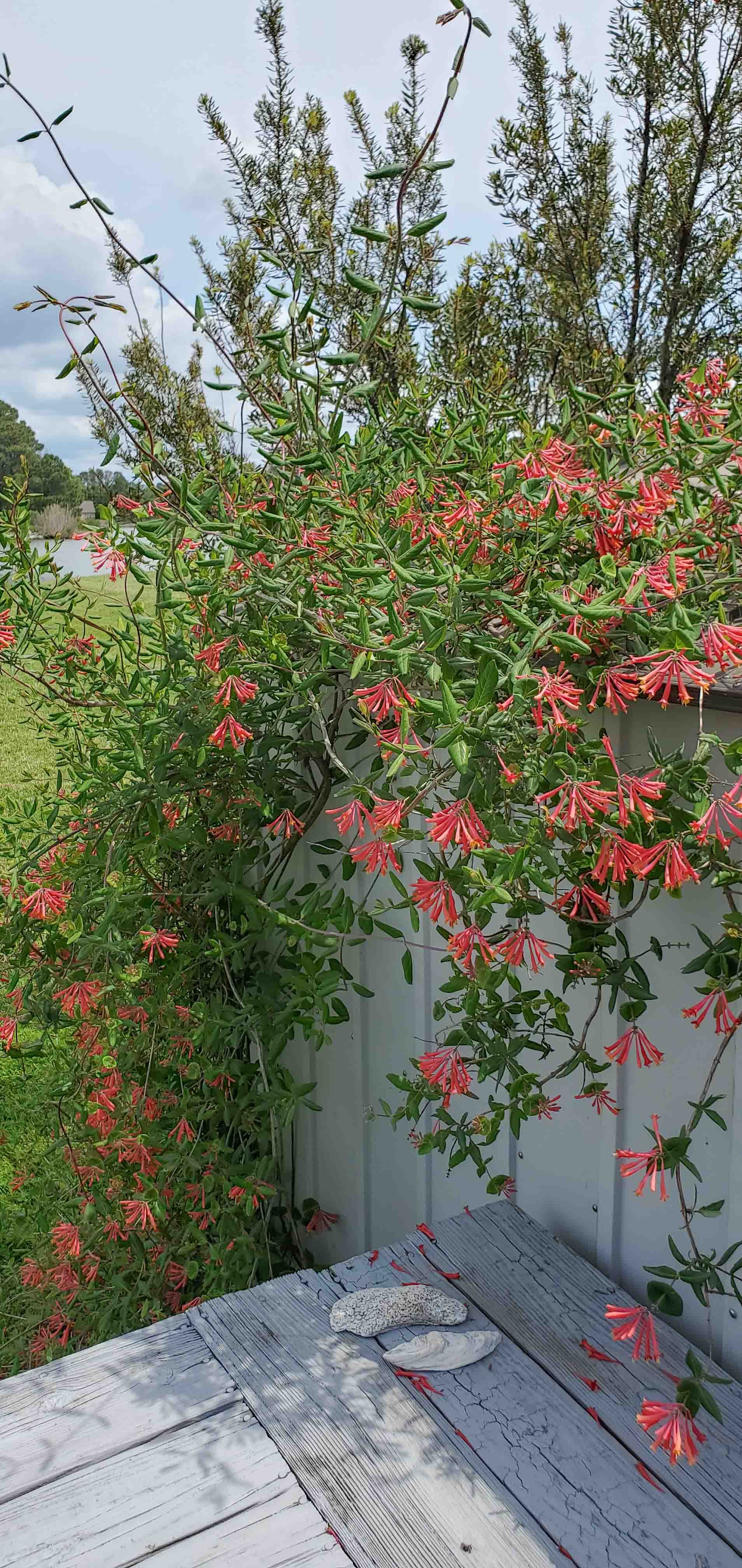
On Maryland’s Lower Eastern Shore, two Coral Honeysuckles (Lonicera sempervirens) bloom all summer long in Pat Valdata’s yard on the Chesapeake Bay, feeding Ruby-throated Hummingbirds. Pat is a Master Gardener, Tri-County Bird Club member, and the reservations coordinator for MOS’s Irish Grove Sanctuary.
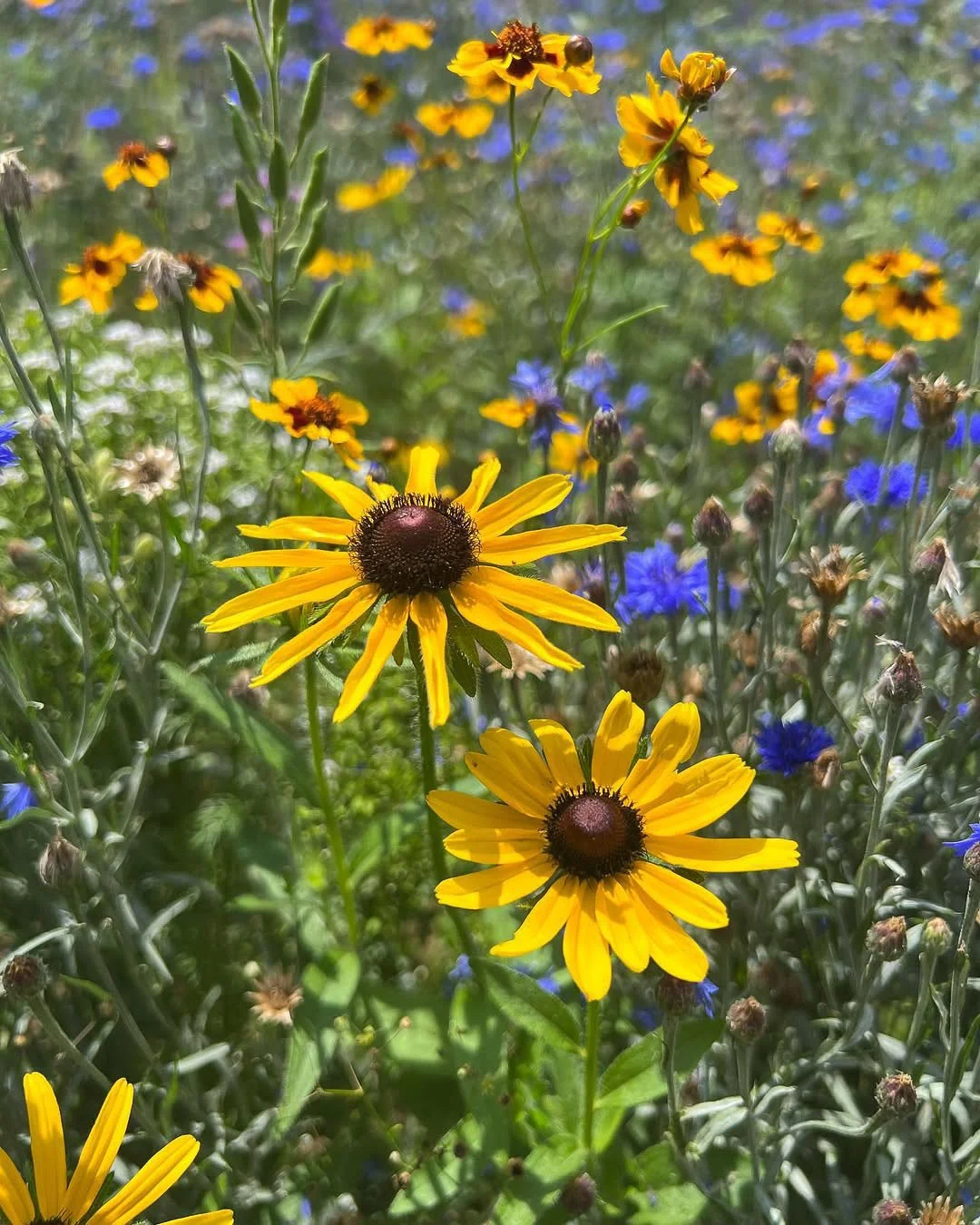
In Western Maryland’s Washington County, MBCP Director Gabriel Foley and his wife Jordan Rutter’s native plant beds include Cut-leaf Coneflower (Rudbeckia laciniata), Joe Pyeweed (Eutrochium spp.), Gorgeous Coreopsis (Tickseed), various milkweeds, and more. They purchase their plants from local master gardener sales to ensure the plants are native and appropriate for the conditions in their yard, “and to support these great groups,” Jordan added.
The Bounty that Native Trees Bring
If space allows, planting a tree can have an especially powerful impact. Many native Maryland trees provide both food and shelter for birds throughout the year. Oaks (Quercus spp.), including the state tree, White Oak (Quercus alba), produce acorns and support hundreds of insect species that birds rely on. Maples (Acer spp.) offer seeds and cover, while cherries (Prunus spp.), particularly Black Cherry (Prunus serotina), produce fruit favored by many bird species. Flowering Dogwood (Cornus florida) is another excellent choice, offering berries and dense cover, while hollies (Ilex spp.) provide important winter food. Hickories (Carya spp.) also contribute nuts and nesting opportunities. The Maryland Department of Natural Resources offers guidance on selecting native trees best suited to specific locations across the state.
Feathers Need Water
After planting, adding a source of fresh water can make your yard even more inviting. This doesn’t need to be elaborate—a shallow bowl with a solar-powered bubbler or a simple birdbath with a small pump can be just as effective as more complex features. Water is essential for birds not only for drinking but also for bathing, which helps them maintain healthy feathers. During winter months, access to water can be especially limited, and adding an inexpensive heating coil to a birdbath can provide a reliable, year-round water source.
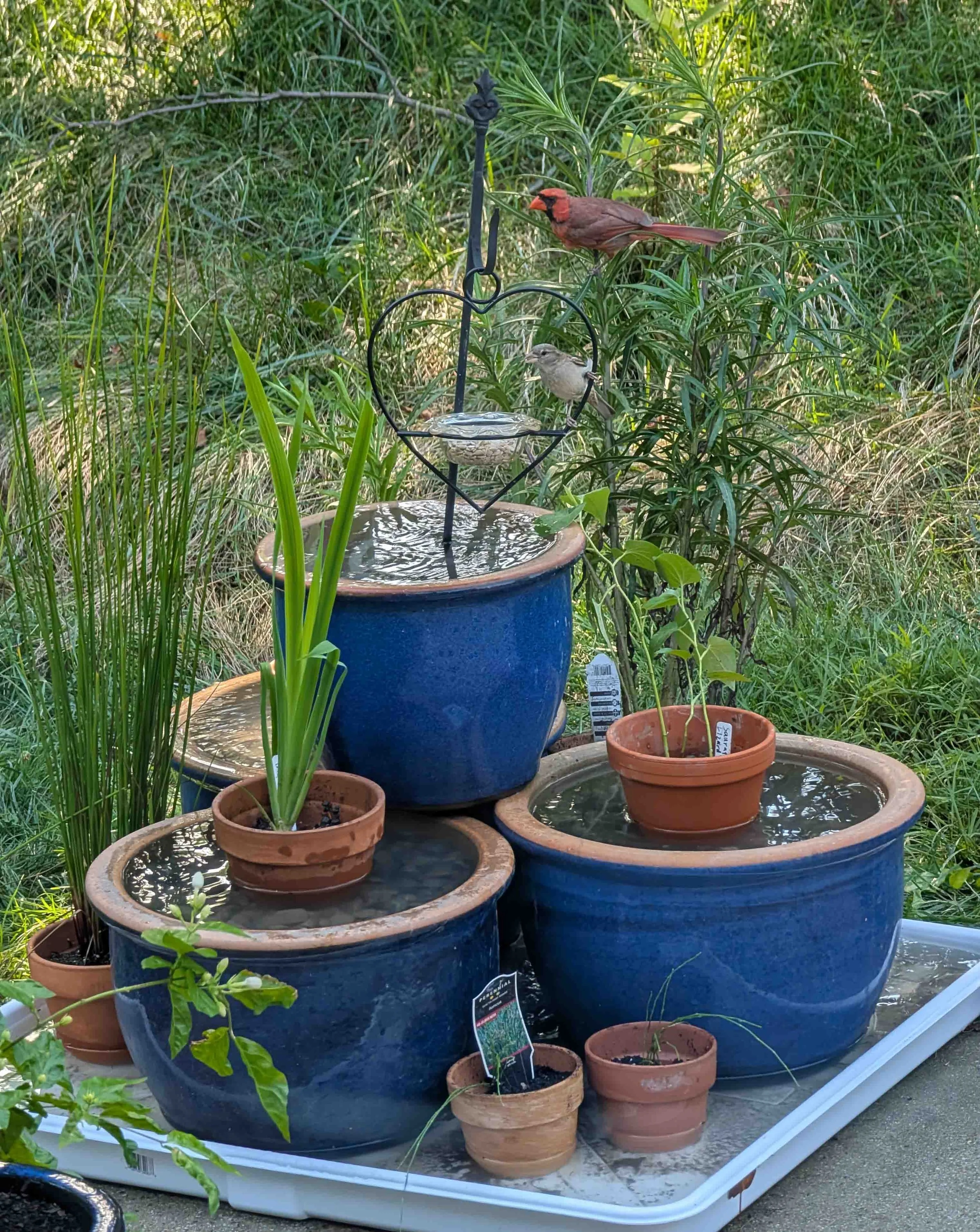
After converting 1000 square feet of his front lawn in Montgomery County to a native pollinator garden, MBCP Board President Gaurav Kapoor decided his backyard needed some love. Gaurav and birds both enjoy moving water so he layered some pots, filled them with stones, and incorporated a pump to keep the water moving. He added moisture-loving plants in pots such as swamp sunflower, rushes, and lizards tail. The water feature attracts typical backyard birds, like the Northern Cardinal in this photo. Over the winter, Gaurav kept the water moving with a heater, which worked until the snowstorm. Dark-eyed Juncos still found their way to the water!
Look Out for Birds’ Safety
When creating a bird-friendly yard, it is also important to remove any threats and hazards to the birds. According to recent research, in the US alone, over one billion—yes, one billion—birds die each year due to window strikes, and residential homes make up almost half of these bird strikes. Installing insect screens, creating patterns with tempera paint, or applying products like Feather Friendly decals are easy, cost-effective solutions to this problem. Another staggering statistic is that an average of 2.4 billion birds each year are lost to free-roaming cats in the US. And this isn’t just bad for the birds—a study done at the University of Maryland found that cats are vulnerable to diseases that can be transmitted by birds. We all love our cats and want to keep them healthy and harmless. To protect our cats and our birds, domestic cats should stay indoors. Finally, avoid using pesticides as much as possible in your yard and try natural control techniques instead. For example, try removing standing water where mosquitoes may breed or planting natural insect repellents like marigolds (Tagetes spp.), lavender (Lavandula angustifolia), and Geranium citronella (Pelargonium citrosum) in your garden .
By choosing and planting native plants and trees, providing fresh water, and putting into place easy to facilitate safety precautions, even small yards can become valuable sanctuaries for birds. These thoughtful additions will support the comeback of our declining bird populations while bringing beauty and birdsong into everyday life, creating a deeper connection between you and the natural world just outside your door.
To learn more about the work of Maryland Bird Conservation Partnership, support our work, or get involved, explore this website and sign up for our email updates at marylandbirds.org/updates.
References:
Coleman, K. K. & Bemis, I. G. (2025). Avian Influenza Virus Infections in Felines: A Systematic Review of Two Decades of Literature Open Access Open Forum Infectious Diseases, 12(5). https://doi.org/10.1093/ofid/ofaf261
Korrnreich, et al. (2024) Rehabilitation outcomes of bird-building collision victims in the Northeastern United States. PLOS ONE. https://doi.org/10.1371/journal.pone.0306362
Klem, D. (2025). Bird-window collisions: a critical review. The Wilson Journal of Ornithology. 137(4), 501–531
https://doi.org/10.1080/15594491.2025.2542043
Loss, S. R., Will, T., Loss, S. S., & Marra, P. P. (2014). Bird–building collisions in the United States: Estimates of annual mortality and species vulnerability. The Condor, 116(1), 8-23.
Maryland Department of Natural Resources (2022). Marylanders Plant Tree https://dnr.maryland.gov/forests/Documents/Recommended-Tree-List.pdf
Rosenberg, K. V.; Dokter, A. M.; et.al (2019). Decline of the North American avifauna. Science(366) 6461. https://www.science.org/doi/10.1126/science.aaw1313
Slattery, Britt E., Kathryn Reshetiloff, and Susan M. Zwicker. (2003). Native Plants for Wildlife Habitat and Conservation Landscaping: Chesapeake Bay Watershed. U.S. Fish &Wildlife Service, Chesapeake Bay Field Office, Annapolis, MD.https://www.fws.gov/sites/default/files/documents/native-plants-for-wildlife-habitat-and-conservation-landscaping-in-the-chesapeake-bay-watershed.pdf
Stobbe E, Sundermann J, Ascone L, Kühn S (2022) Birdsongs alleviate anxiety andparanoia in healthy participants. Sci Rep 12(1):e16414. https://doi.org/10.1038/s41598-022-20841-0