
Maryland Farmland Raptor Program
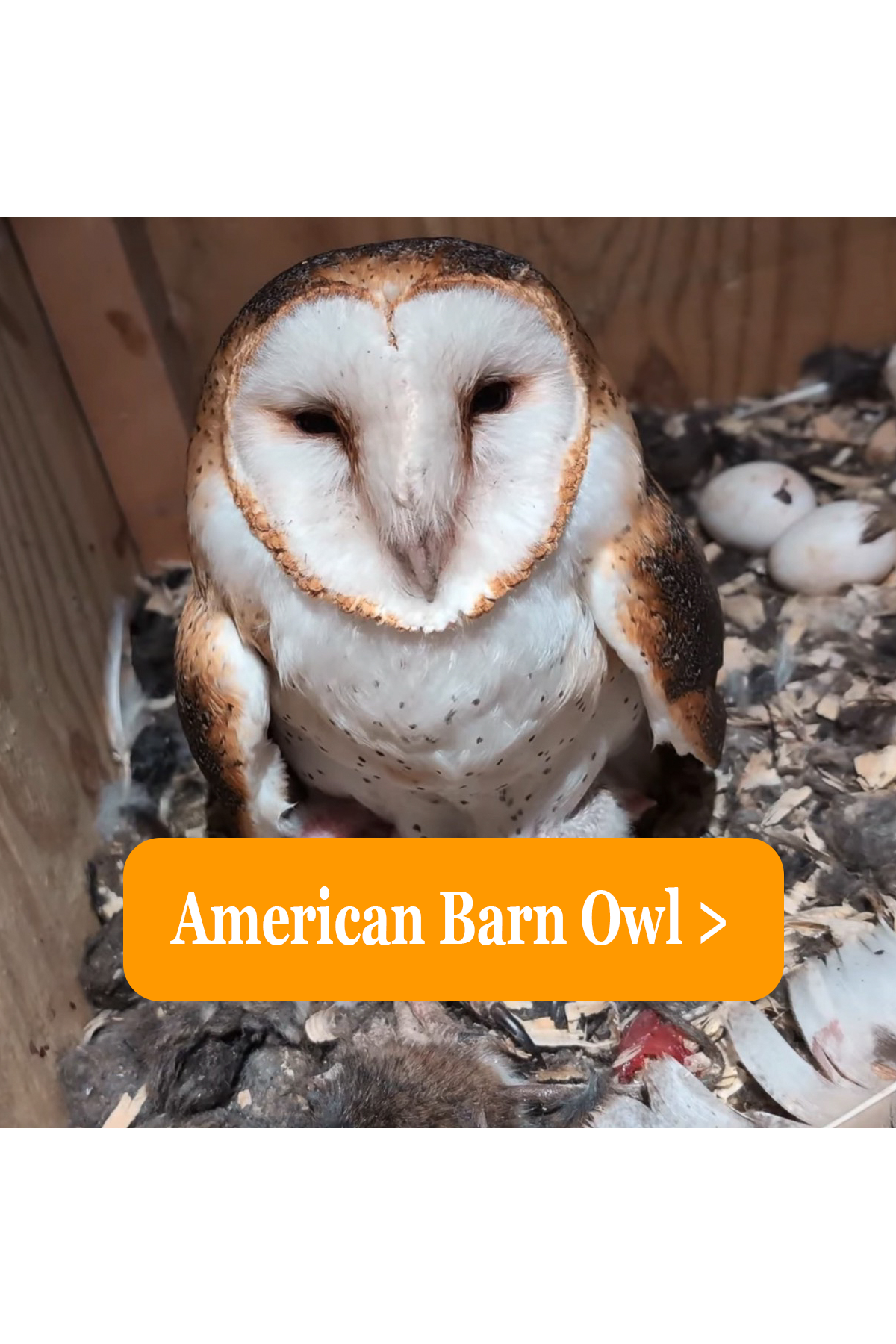
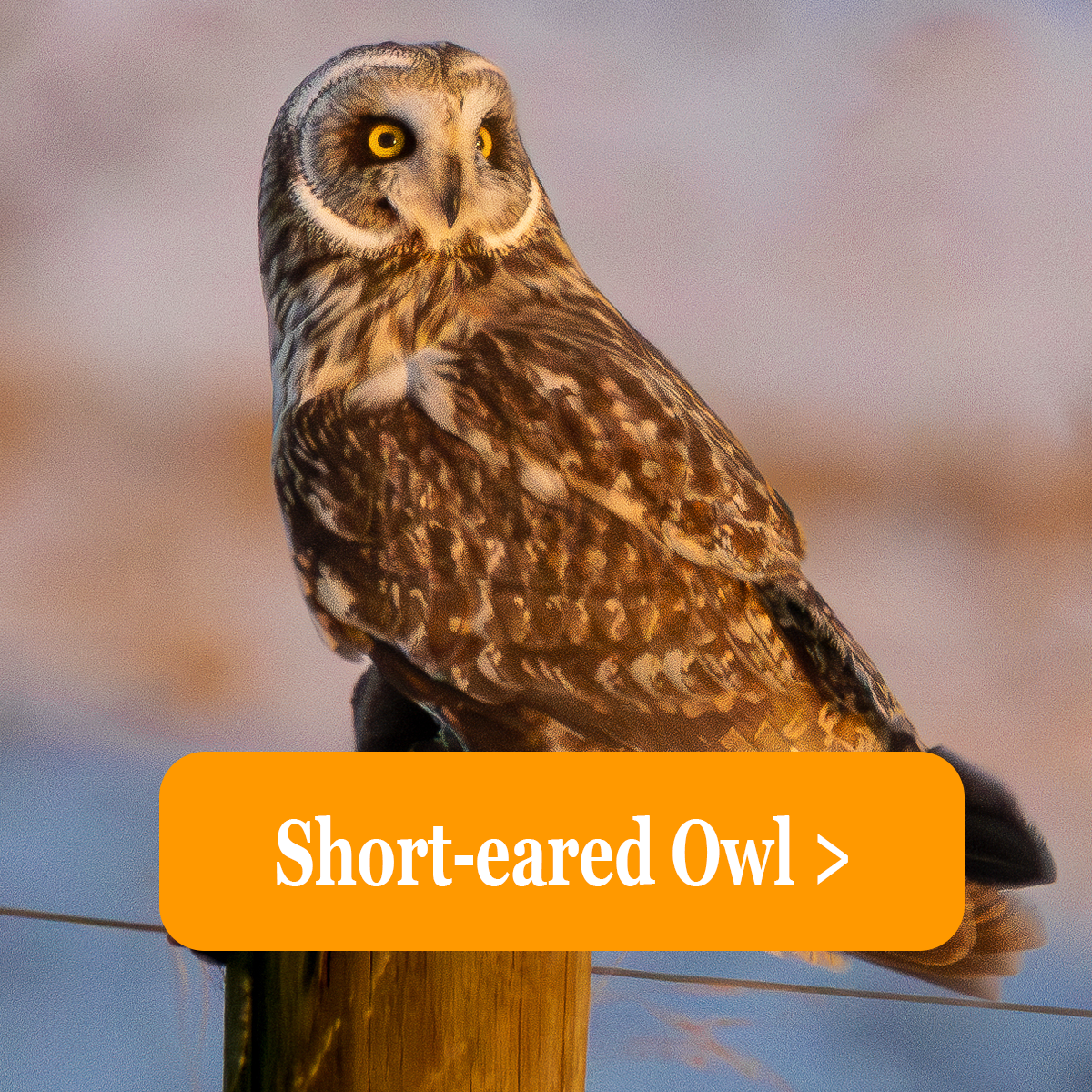
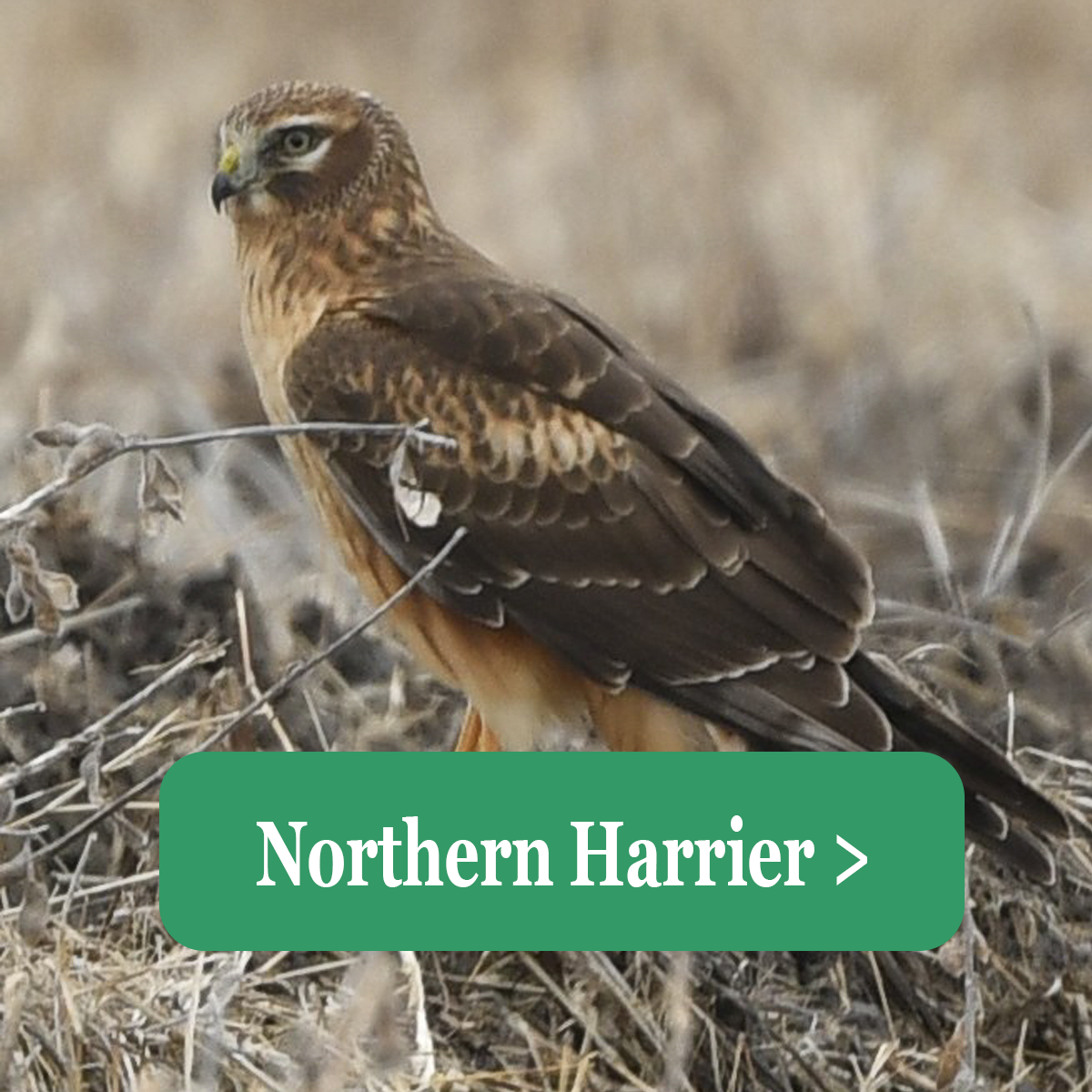
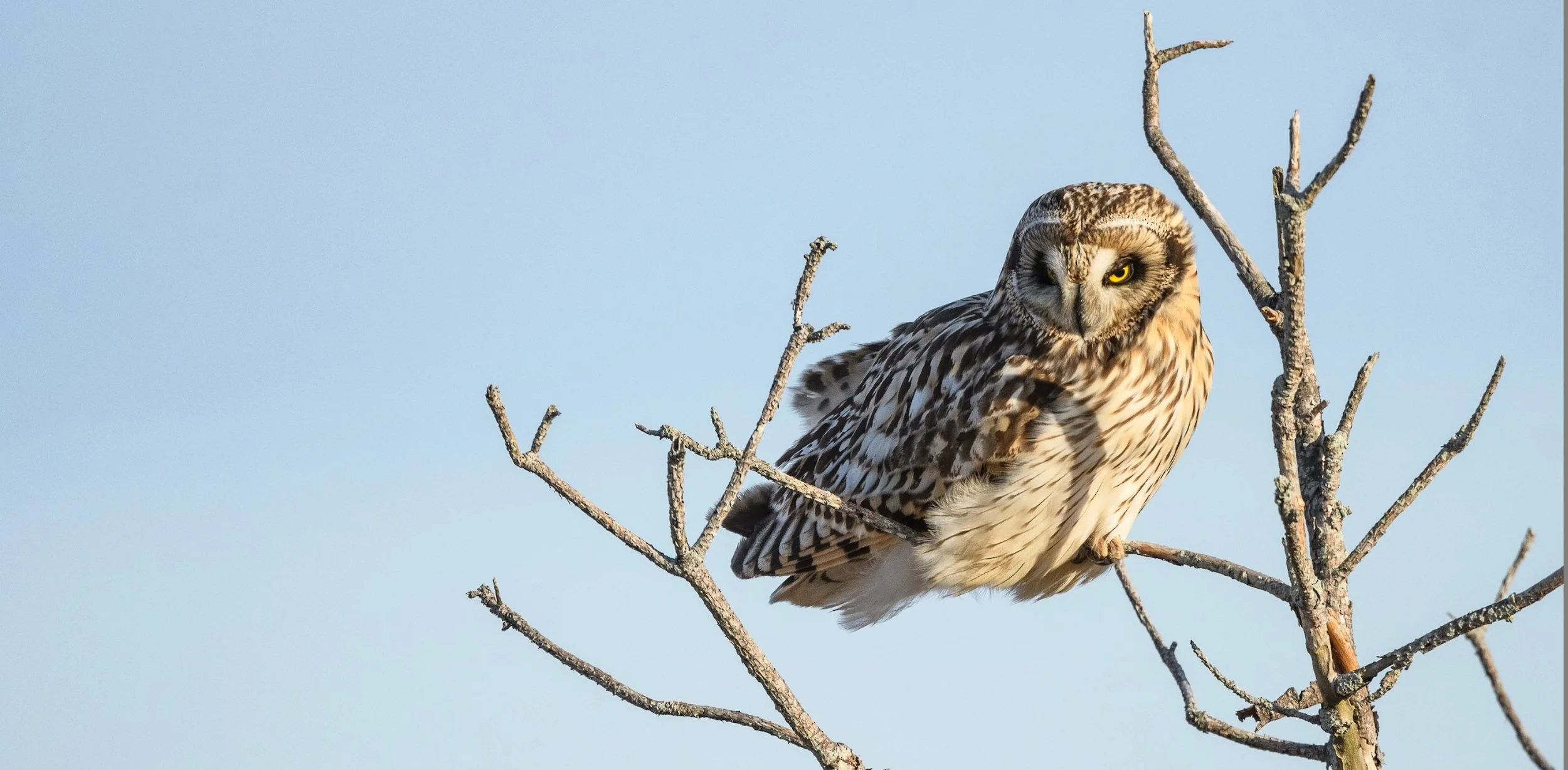
The American Barn Owl, the American Kestrel, the Short-eared Owl, and the Northern Harrier are Maryland’s beloved farmland raptors. They thrive where grasslands, agricultural areas, and marshes are maintained using conservation-minded practices. Unfortunately, these habitats have become increasingly scarce, and the loss has contributed to steep population declines in farmland raptors. As a result, all four species are listed in Maryland’s State Wildlife Action Plan as Species of Greatest Conservation Need.
The Maryland Farmland Raptor Program is working to understand and reverse the population declines of farmland raptors in Maryland’s open grasslands, agricultural areas, and marshes.
Learn About Maryland’s Farmland Raptors
The term “farmland raptors” comes from the preferred habitat of these species and their benefit to farmers. These species typically require large areas of grassland or agricultural fields (free from rodenticides and pesticides) to nest successfully, where they dine on mice, grasshoppers, and voles and help keep the ecosystem in balance. Click on the species box to learn more about their ecology.
How we work
The Farmland Raptor Program is an initiative of the Maryland Bird Conservation Partnership that began in 2019. We’re still early in our history, but the program is gaining momentum towards the goal of stabilizing and recovering populations of farmland raptors. To achieve our goals, we rely on collaborations with conservation organizations and private landowners. We also depend on the work of volunteers, as well as grants and donations from supporters like you.
If you have questions about how to get involved, contact us at frp_coordinator@marylandbirds.org. Read more here or below about partnering as a landowner.
You can also support the program by purchasing some Farmland Raptor Program swag or by donating to the program.
What WE DO
Student interns’ experiences with the Farmland Raptor Program
The Farmland Raptor Program has been expanding across Maryland. We are increasing the number of counties and individual sites, both public and privately owned, where we have installed nest boxes for the American Barn Owl and American Kestrel. We are also gathering data to improve scientific knowledge about the ecology of all four farmland raptor species. Understanding the ecology of these species–where they live, how long they live, home ranges, foraging areas, and seasonal movements–will ultimately improve conservation measures.
These are the primary program activities currently:
install nest boxes for barn owls and kestrels to increase nesting opportunities
monitor nest success of barn owls and kestrels
document distribution and population trends for barn owls and kestrels
collect data on short-eared owl behavior and habitat use
maintain a long-term repository of Maryland-specific information for all four species to support regional and national research efforts
Build Nest Boxes
If you would like to build and install nest boxes for barn owls and kestrels, you can download Farmland Raptor nest box plans and watch step-by-step construction video instructions on the Farmland Raptor Program Resources web page. You’ll also find videos about different methods of installation and information about the preferred habitats of kestrels and barn owls and how to properly site nest boxes for the safety of the raptors.
Featured News
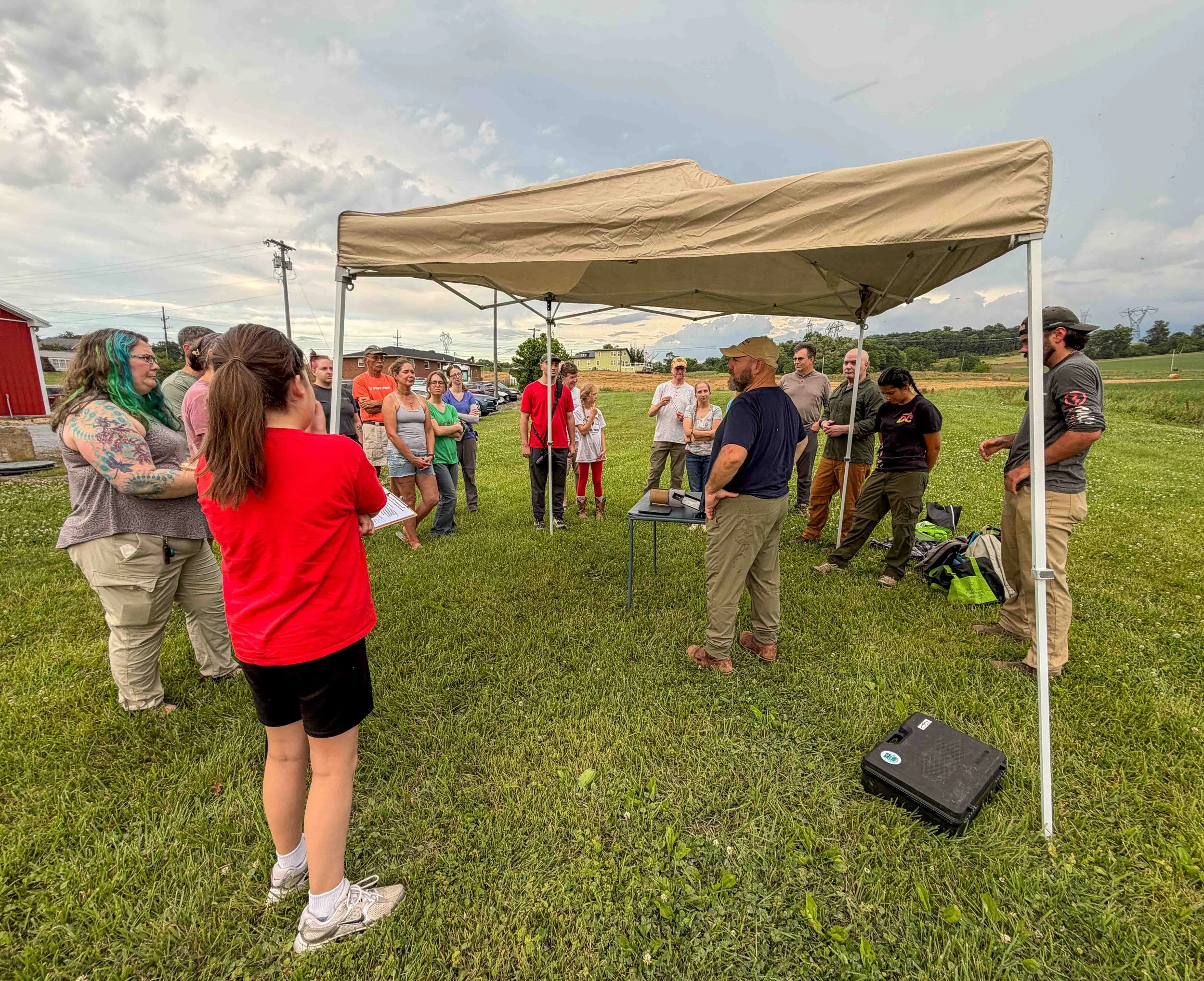
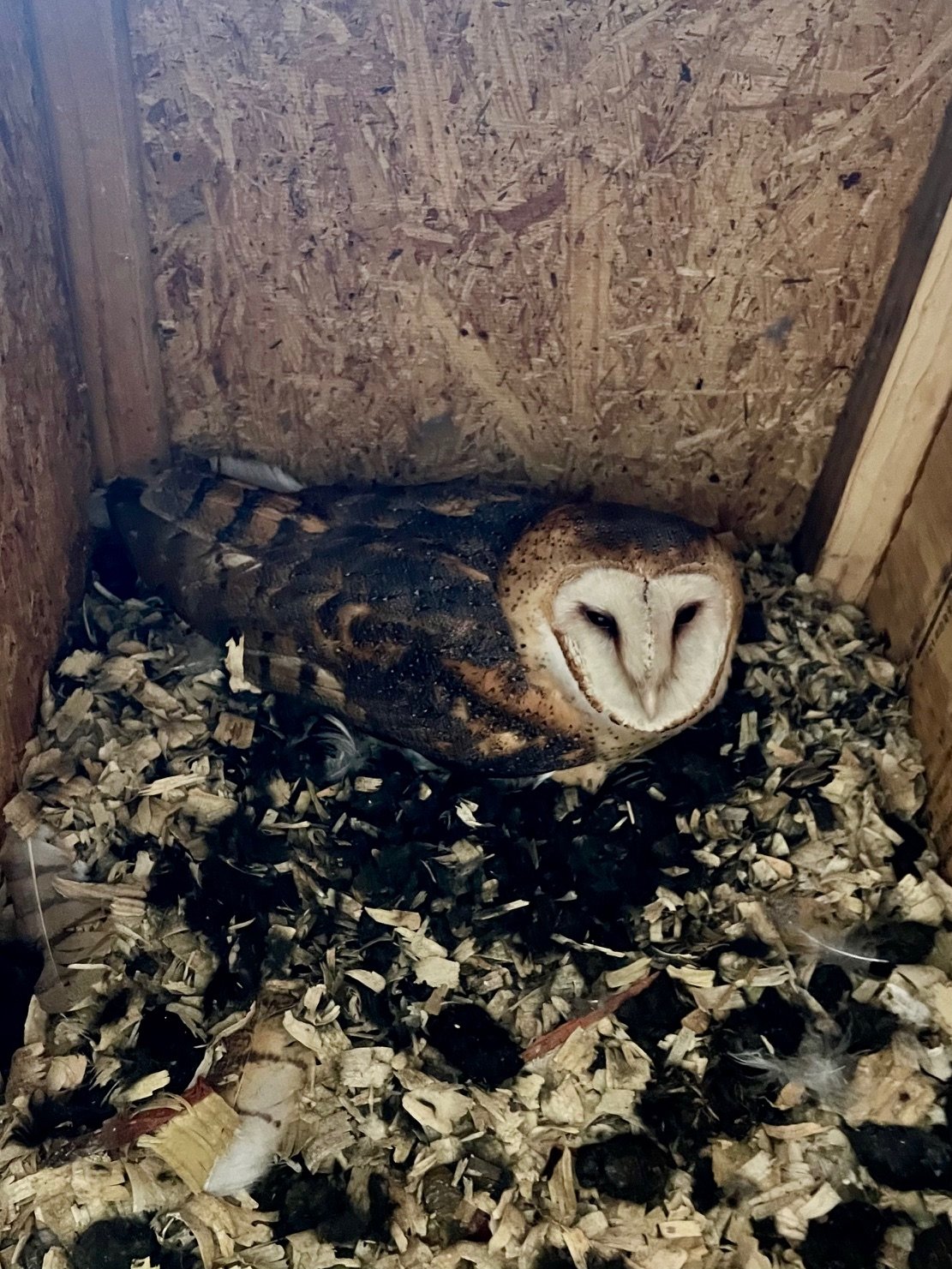
Upcoming Talks and Events
Partnering as a Landowner to help Maryland’s farmland raptors
There are many reasons to want a farmland raptor nest box on your land. Imagine the sight of a wild bird—a kestrel or a barn owl—hunting in your fields. The kestrel and barn owl are a farmer’s friend because they can effectively and cheaply contribute to pest management. Research has shown that kestrels are beneficial to cherry orchards and grape growers because they keep flocks of birds away from the fruit. Barn owls will consume three to four thousand rodents in a nesting season, if they have a brood of chicks to feed. Attracting farmland raptors will significantly reduce the need for pesticides and rodenticides, which can kill non-target animals in addition to rodents.
Frequent Landowner Questions
-
Barn owls and kestrels nest in cavities, but there aren’t enough natural cavities to support healthy populations. In the case of kestrels, invasive European Starlings compete with them for available nest cavities.
When a nest box becomes occupied by a farmland raptor, it provides a valuable opportunity to study the birds and better understand their ecological needs.
-
To answer that question, the first step is simply walking the property together to see if it has the right features for farmland raptors to nest and raise their young. Farmland raptors thrive on properties managed without rodenticides or pesticides. In open grasslands, meadows, pastures, and orchards, they provide free, natural pest control.
-
Placement is tailored to each property, but quieter areas with minimal regular activity are best. Whenever possible, we use existing structures or poles to minimize ground disturbance.
-
The FRP team handles installation. Landowner help is welcome but not required. If pole installation is needed, any equipment the landowner can provide is greatly appreciated.
-
Winter is the ideal time to install nest boxes so they’re ready for the next nesting season, but boxes can be installed any time of year.
-
Allow our staff and volunteers access to the nest box for monitoring and cleaning. We will always request permission and provide notice before any visit. We also ask to drive as close to the box as possible to safely transport ladders and research equipment.
Permit us to remove invasive species from nest boxes (such as European Starlings).
Provide access for research activities, specifically trapping and banding the adult and juvenile birds.
Because Barn Owls are considered a Sensitive Species in Maryland, we ask that the location of breeding barn owls not be shared.
-
While it is not required, some landowners or land managers take on an active role. Every contribution helps us expand and sustain our efforts.
Labor: Assisting with box building, installation, or maintenance.
Monitoring: Checking boxes, removing non-native species, and reporting to the program on the activities at the nest box.
Donations: Financial contributions, supplies (e.g., lumber), or tools are always welcome.
Reaping the Rewards: Landowners may choose to be present at capturing and banding events to see the birds up close.
Outreach: Landowners who share their stories with their friends and neighbors or through a Maryland Bird Conservation Partnership outreach activity are an asset to the program. description
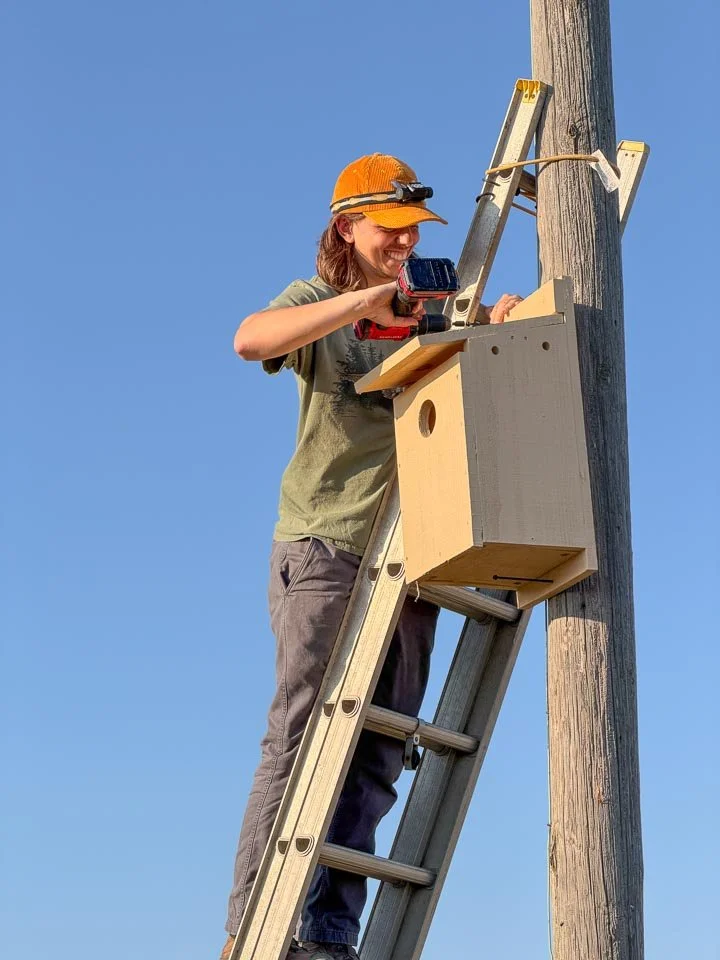
Installing a kestrel nest box.
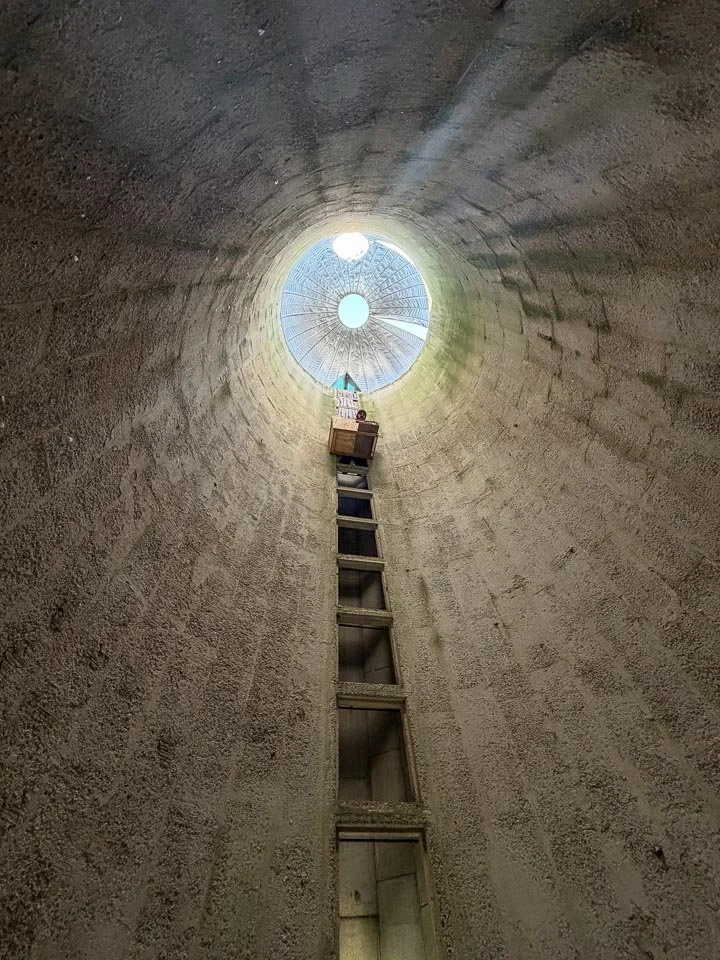
A barn owl nest box is placed inside and at the top of an unused grain silo.
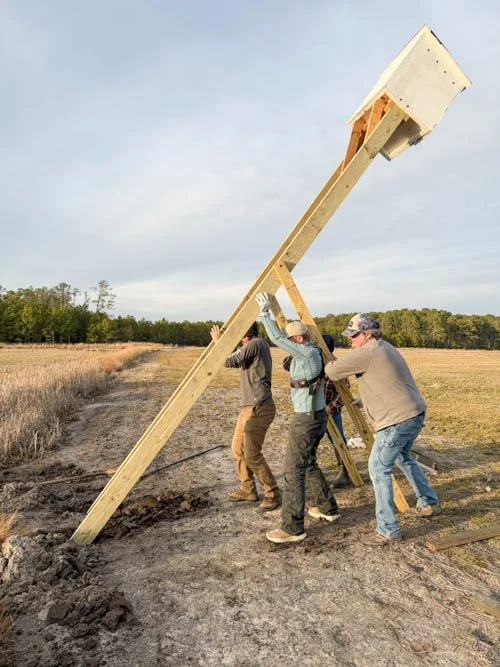
Volunteers raise a barn owl nest box in a field being taken out of production.
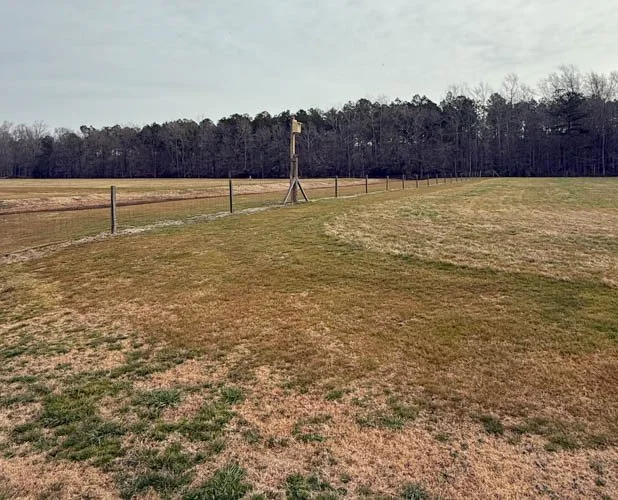
In this kestrel box installation, the landowner assisted by installing the post as an extension of a fence post.
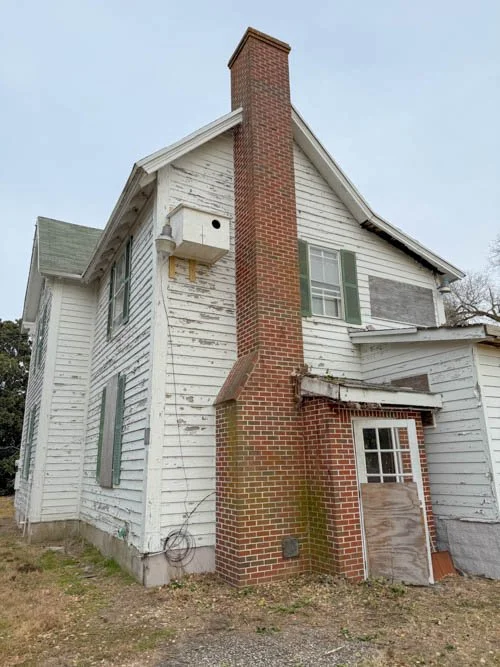
This barn owl nest box is attached to an unoccupied house, facing a fallow field no longer in production.

A volunteer and his granddaughters participate in a barn owl chick banding activity.
Conservation Partners
The Maryland Farmland Raptor Program has many partners who support us in a myriad of ways. Our partners include Maryland Department of Natural Resources, Maryland Ornithological Society, Hawk Mountain Sanctuary, National Fish and Wildlife Foundation, Blackwater National Wildlife Refuge, Calvert County Natural Resources Division, Chesapeake Bay National Estuarine Research Reserve System, Fair Hill Nature Center, Frederick County Parks and Recreation, Janes Island State Park, Jug Bay Wetlands Sanctuary, Liebgold Lab at Salisbury University, Owl Moon Raptor Center, Patuxent River Park, Potomac Edison, U.S. Fish and Wildlife Service, and Hood College. Research partners include the Global Owl Project, Northeastern Kestrel Working Group, and International Short-eared Owl Working Group.

American Barn Owl

American Kestrel